
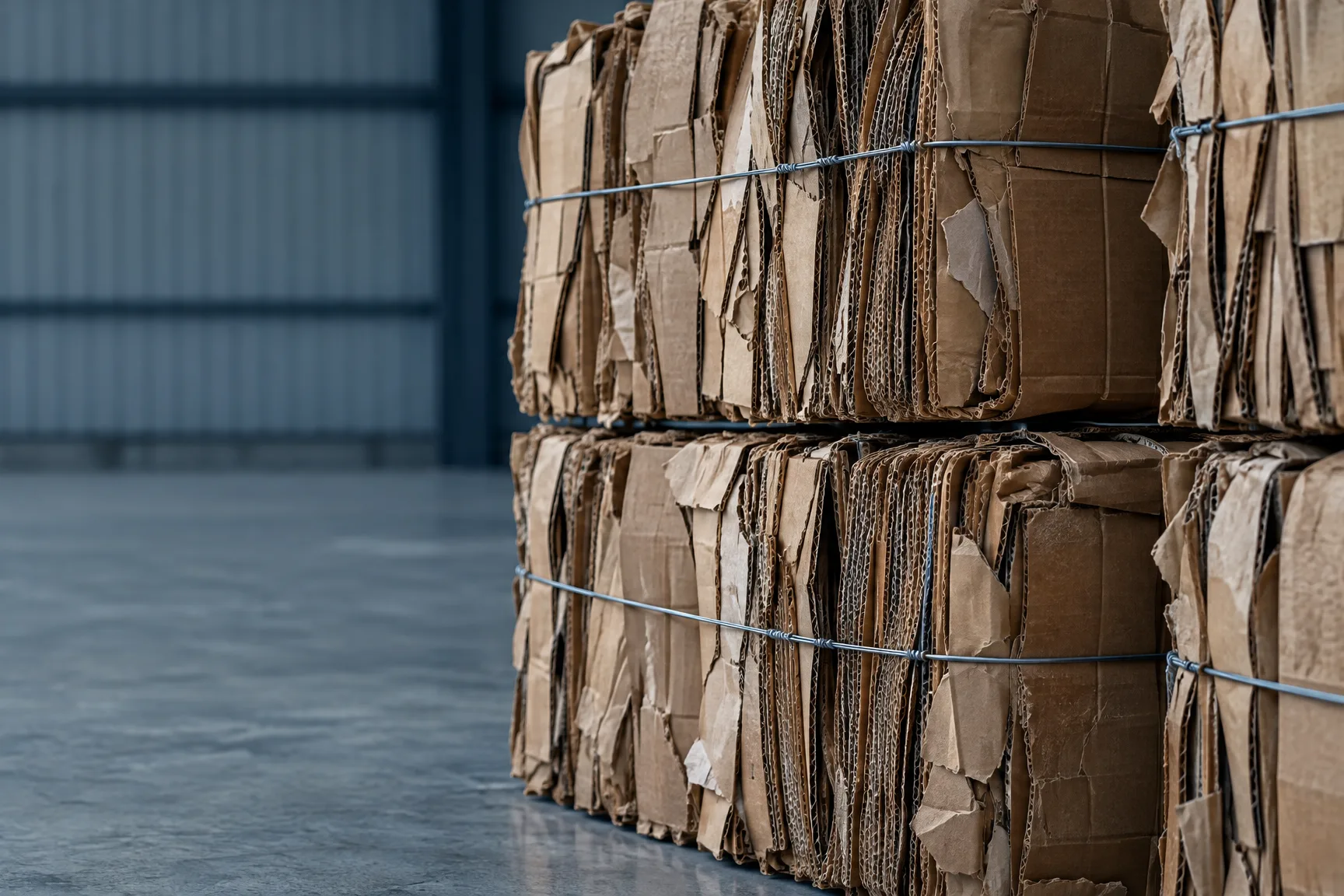
Packaging cardboard, boxes, office paper, archives, printed matter or production offcuts: every day, businesses generate large volumes of paper and cardboard waste. Yet, properly sorted and kept dry, it is a resource sought after by the paper industry.
Metal Resource collects, sorts and prepares used cardboard and paper so they can be sent to the right recycling streams. From its Puceul site, north of Nantes, the company works with manufacturers and logistics hubs as well as shops and offices.
The aim is to preserve the quality of the recovered fibres, because it is this quality that determines whether the material can go into making new paper and cardboard.
Collecting, sorting and preparing fibres for recycling
- 01
Collect and keep dry
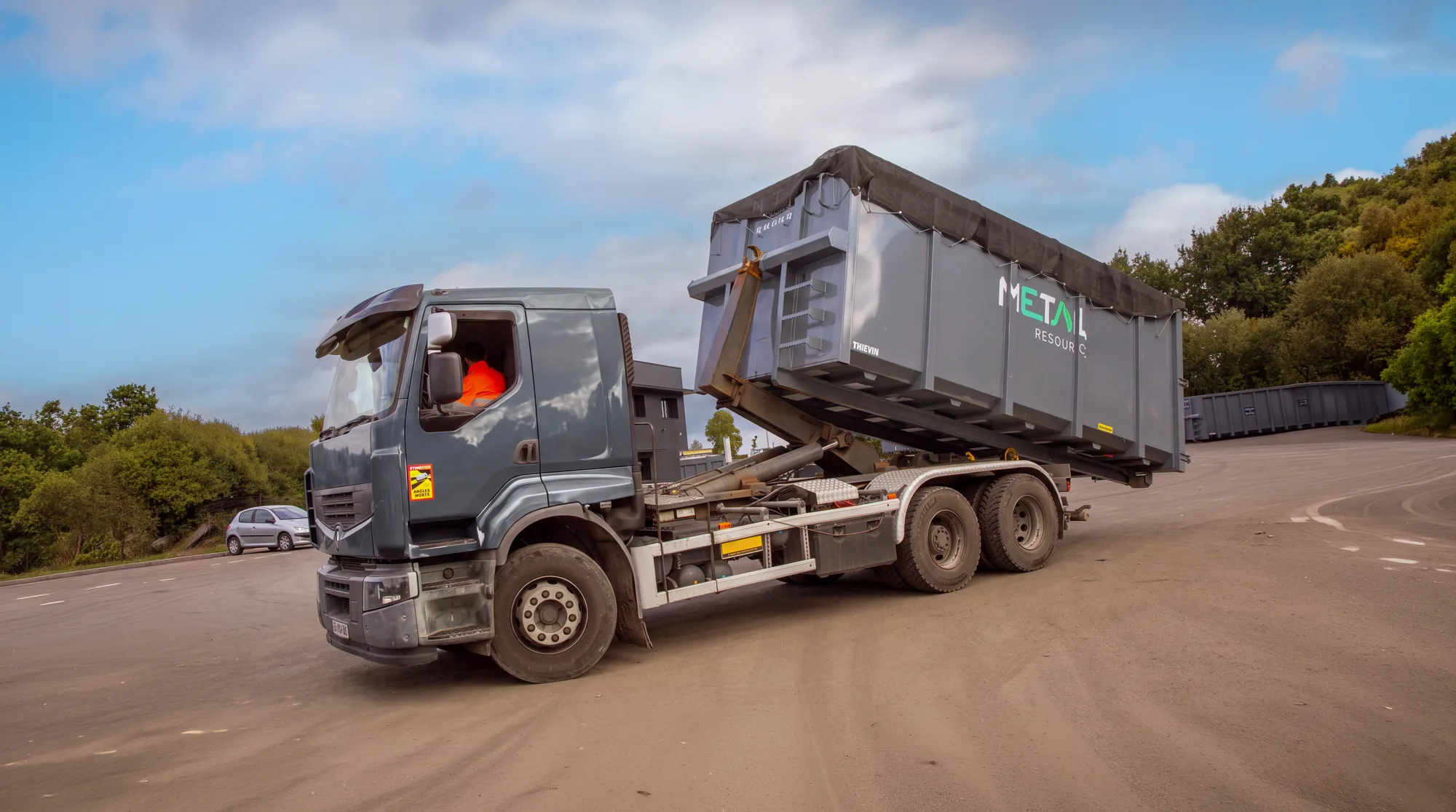
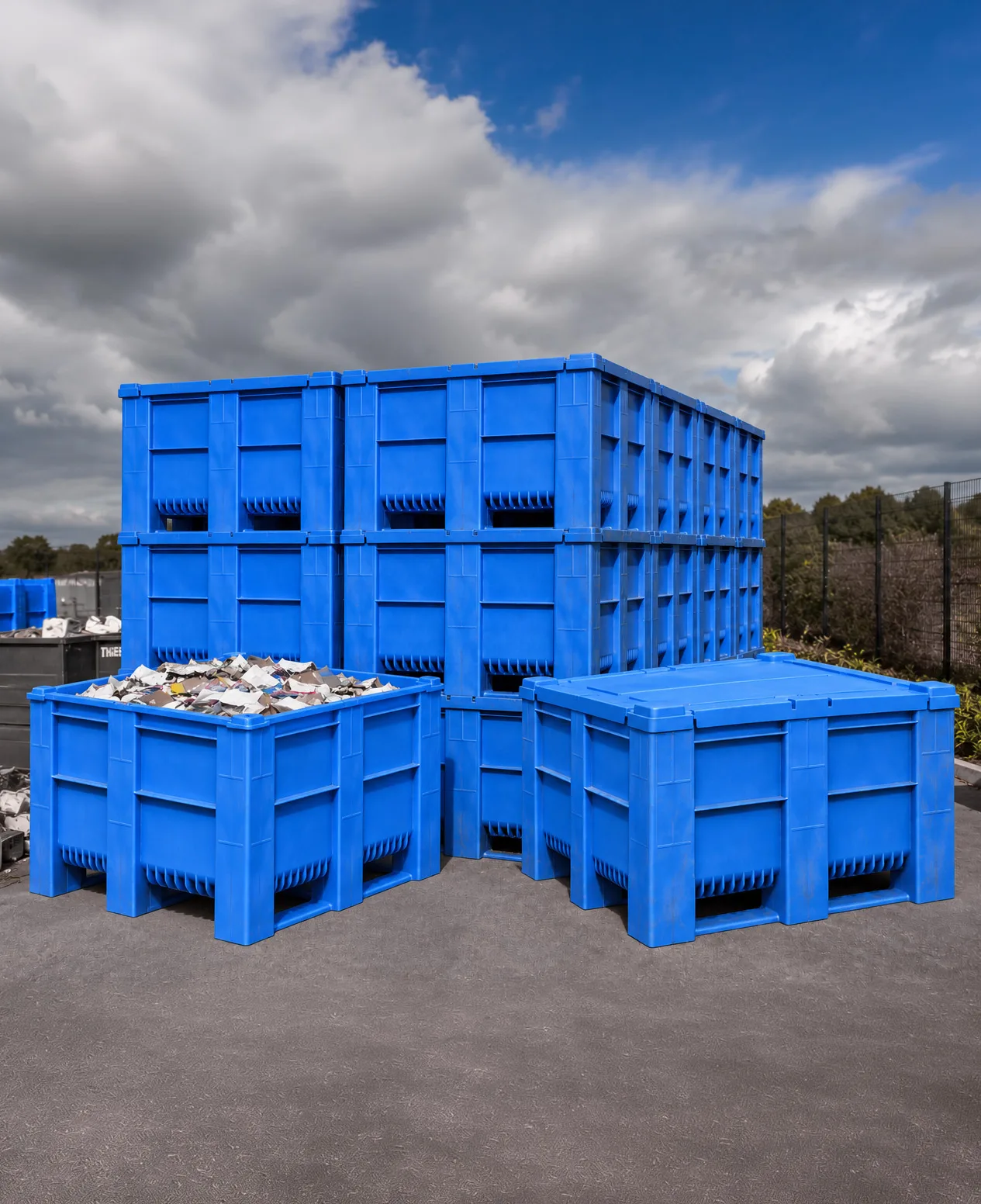
Cardboard is collected in hook-lift skips, preferably covered or enclosed, so that the material stays dry: wet cardboard loses part of its value. Small quantities of paper are stored in watertight, lidded 800-litre bins.
- 02
Inspect and sort
The collected materials are inspected, then separated according to their type and quality; contaminants likely to disrupt recycling are removed.
- 03
Make up batches
The materials are grouped by grade and quality to form batches that meet the specifications paper mills are looking for.
- 04
Send to paper mills
The prepared batches are sent to the paper industry, where the recovered fibres will be used to make new paper and cardboard.
Not one cardboard, but different grades of fibre
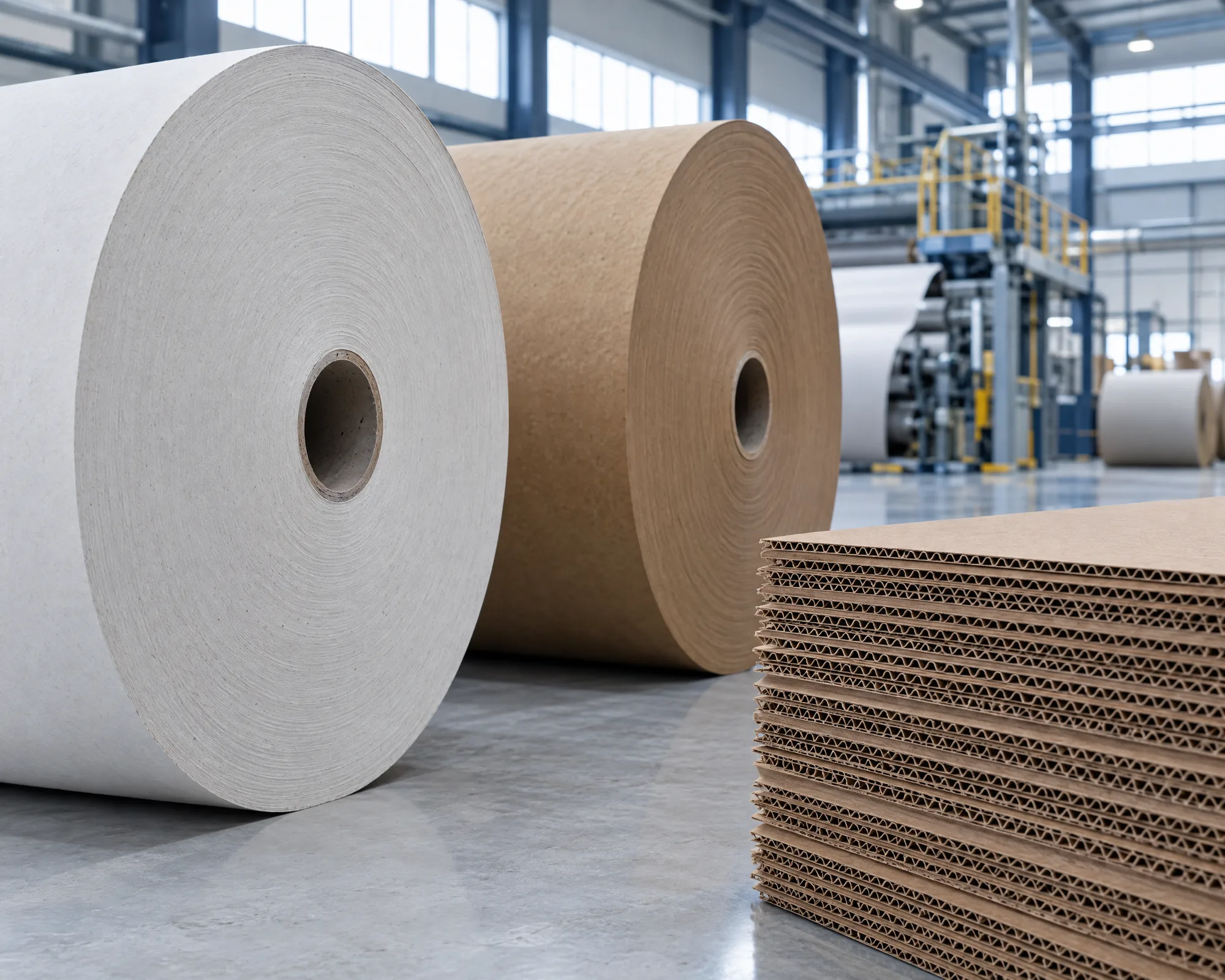
Not all paper and cardboard is equal when it comes to recycling. Corrugated cardboard, a newspaper and a sheet of office paper have neither the same fibres nor the same outlets. Paper mills therefore buy material by grade, according to the European standard EN 643, and it is by separating these grades that their value is preserved.
| Group and grade | Typical item | Where it’s found | Technical notes | What it becomes |
|---|---|---|---|---|
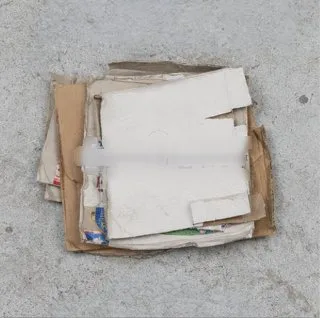
| gr. 1Corrugated cardboardOrdinary grades | 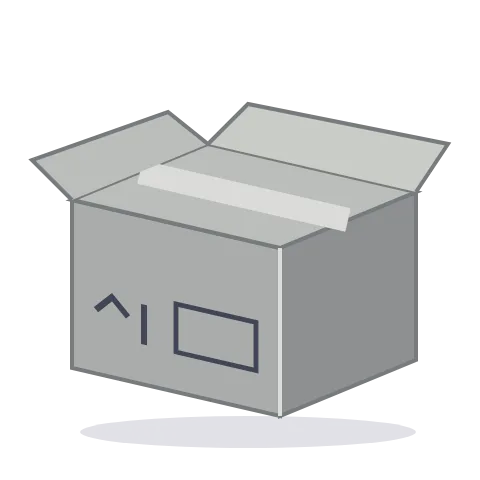 | Transport boxes and packaging, delivery boxes, box plant offcuts | Two liners joined by corrugated fluting; long, strong fibres. Keep it dry: when wet, it loses value. | New corrugated cardboard and fluting paper |
| gr. 1Mixed paper and boardOrdinary grades | 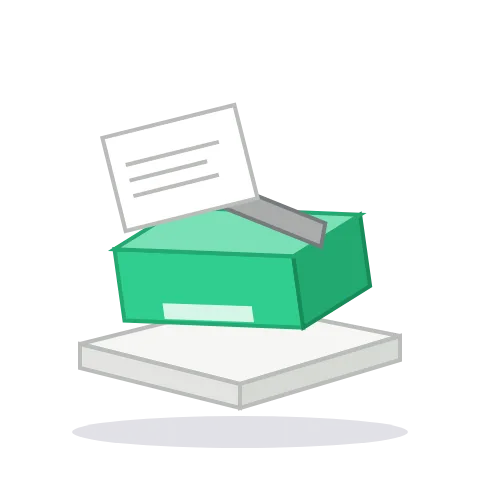 | Mixed paper and light card, retail packaging, boxes | Fibres of varying quality: a mix is worth less than a sorted grade. | Greyboard, light card, cores |
| gr. 1Newspapers and magazinesDeinking grades | 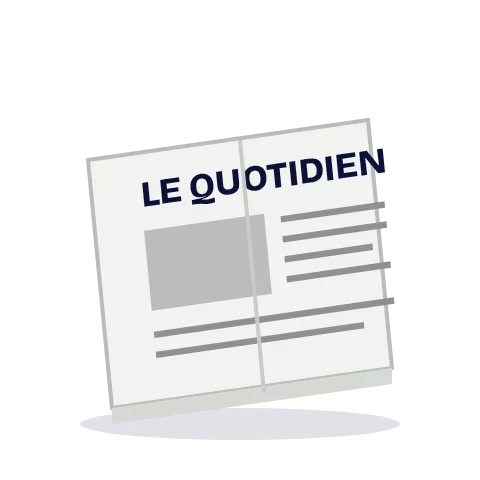 | Unsold copies, leaflets, catalogues, magazines | The ink is removed by flotation before the fibres are turned back into pulp. | Recycled newsprint, wrapping paper |
| gr. 2-3Office paper and archivesMedium and high grades | 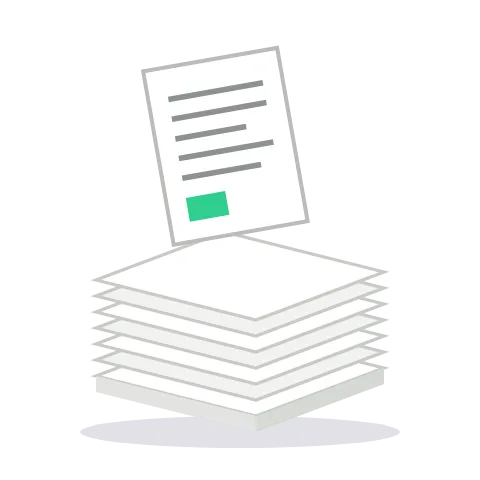 | Printing paper, archives, computer printouts, white envelopes | High-quality white fibres: white paper is among the most sought-after grades. | Recycled printing paper, tissue paper |
| gr. 4KraftKraft grades | 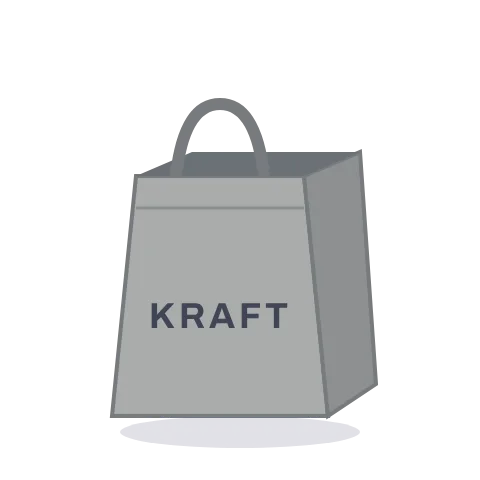 | Kraft sacks, empty cement or flour sacks, kraft wrapping paper | Long, very strong and lightly bleached fibres. | New kraft paper and sacks, corrugated cardboard |
| gr. 5Special gradesSpecial grades | 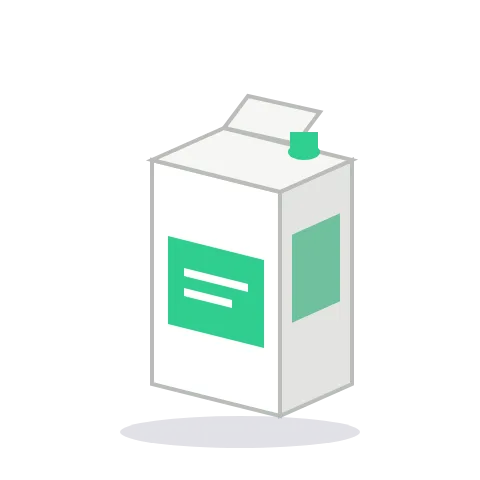 | Food and drink cartons, wet-strength paper, adhesive paper | These combine paper with plastic or aluminium: recycling them requires special treatment. | Dedicated streams that recover the fibres for packaging or tissue paper |
The EN 643 standard
The European list of standard grades of paper and board for recycling classifies materials into five groups, from ordinary grades to special grades. It is the common language between collectors and paper mills: for each grade, it sets the composition and the contaminants tolerated.
Moisture
Wet cardboard weighs more, deteriorates and goes mouldy. Above a certain level, paper mills deduct the moisture from the weight they pay for. A covered or enclosed skip therefore directly protects the value of your cardboard.
Contaminants
Plastic film, polystyrene, greasy or soiled paper, wallpaper: they disrupt pulping and downgrade a batch. Staples and paper clips, on the other hand, are no problem: they are removed when the pulp is cleaned.
Containers that protect the material
- Standard, covered or enclosed hook-lift skips, 15 to 30 m³They take large volumes of cardboard while protecting it from the rain.
- 800-litre bins, watertight and liddedThey are suitable for smaller quantities of office paper and archives.
Covered or enclosed skips · 800 L bin for small quantities of paper
Choose a covered or enclosed skip to keep the material dry.
What happens to cardboard and paper?
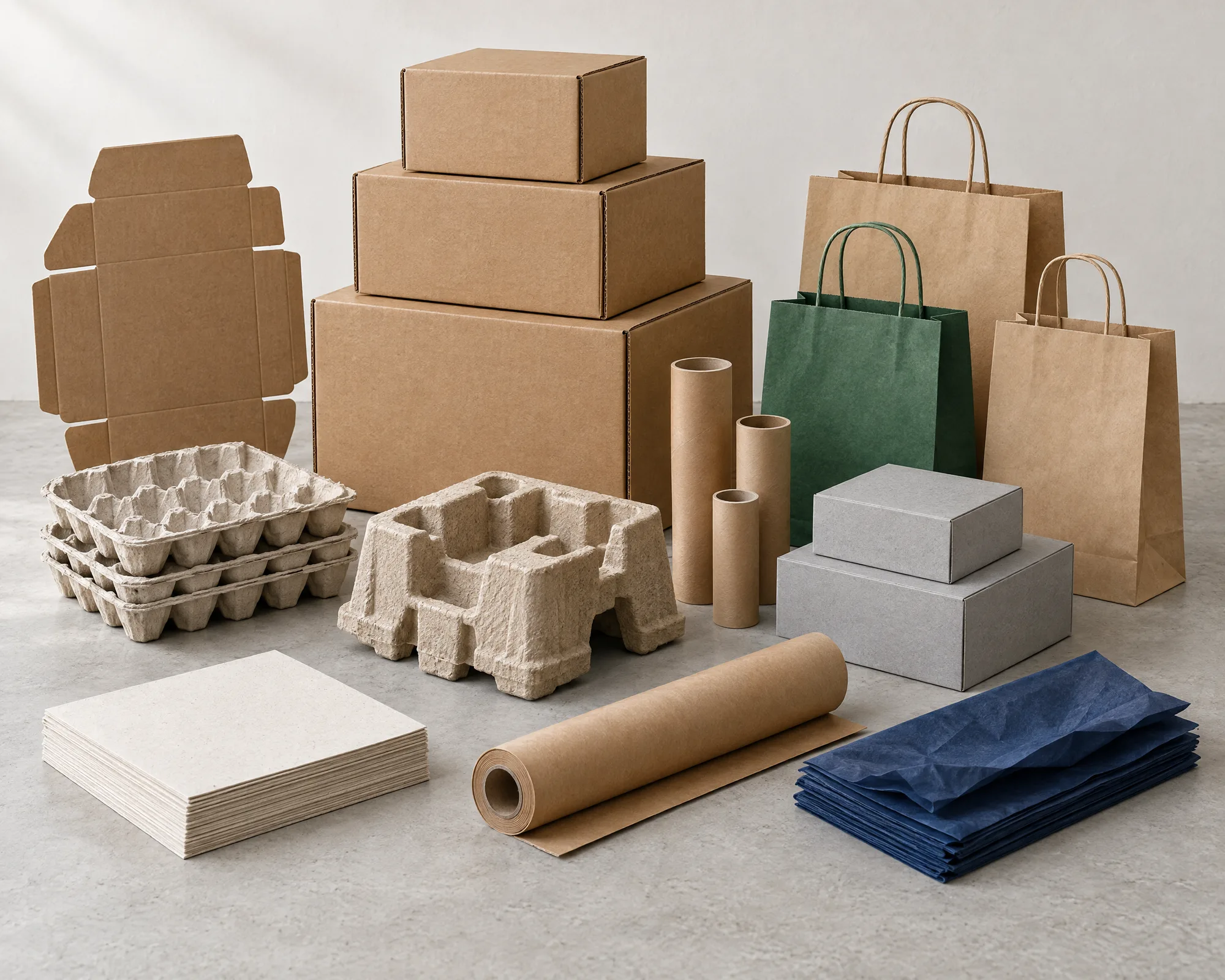
Once sorted and prepared, paper and cardboard go to the paper industry. There they are suspended in water to separate the cellulose fibres and obtain recycled pulp, free of contaminants and, for printed paper, of ink. Depending on the quality of the fibres obtained, this pulp goes into making new cardboard, packaging or paper.
Unlike metal, however, a cellulose fibre cannot be recycled indefinitely: it gets shorter with each cycle, and it is estimated to withstand five to seven recycling cycles on average. All the more reason to sort carefully, since clean, well-separated fibres last longer.
- Dry collection
- Sorting by grade
- Uniform batches
- Pulping
- Cleaning
- Deinking
- New paper or cardboard
Turning bulky waste into a resource
An empty cardboard box or used paper may seem worthless. Yet, properly sorted and grouped, it is a source of fibres that the paper industry can use.
The quality of sorting is therefore decisive: clean, dry, well-separated materials recycle better and are worth more. By collecting and preparing these materials carefully, Metal Resource turns scattered volumes into uniform batches that can enter a new production chain.
Processing in line with current environmental standards
The Metal Resource site is a classified installation for environmental protection (ICPE), subject to the declaration regime. It is operated in compliance with the regulatory requirements applicable to its activities.

Recycling your cardboard and paper
What containers are available for cardboard?
Metal Resource offers 15 to 30 m³ hook-lift skips, preferably covered or enclosed to keep the material dry, and 800-litre bins for paper.
Why keep cardboard dry?
Wet cardboard loses part of its value and does not recycle as well: the quality of the recovered fibres depends on it, and excess moisture is deducted from the weight paid for by paper mills.
Why sort paper by grade?
Because each grade has its own fibres and its own outlets: white office paper is worth more than a mix, and a batch sorted to the EN 643 standard finds a buyer more easily.
Are businesses required to sort their paper and cardboard?
Yes. Regulations require professionals to sort paper and cardboard at source, in the same way as metal, plastic, glass, wood, the mineral fraction and plaster.
What happens to recycled cardboard?
The paper industry turns it into pulp, which is then used to make new cardboard, packaging or paper.
Other materials
Do you produce cardboard or paper for recycling?
Industry, logistics hubs, shops or offices: we offer you a solution suited to the type and volume of your waste.