
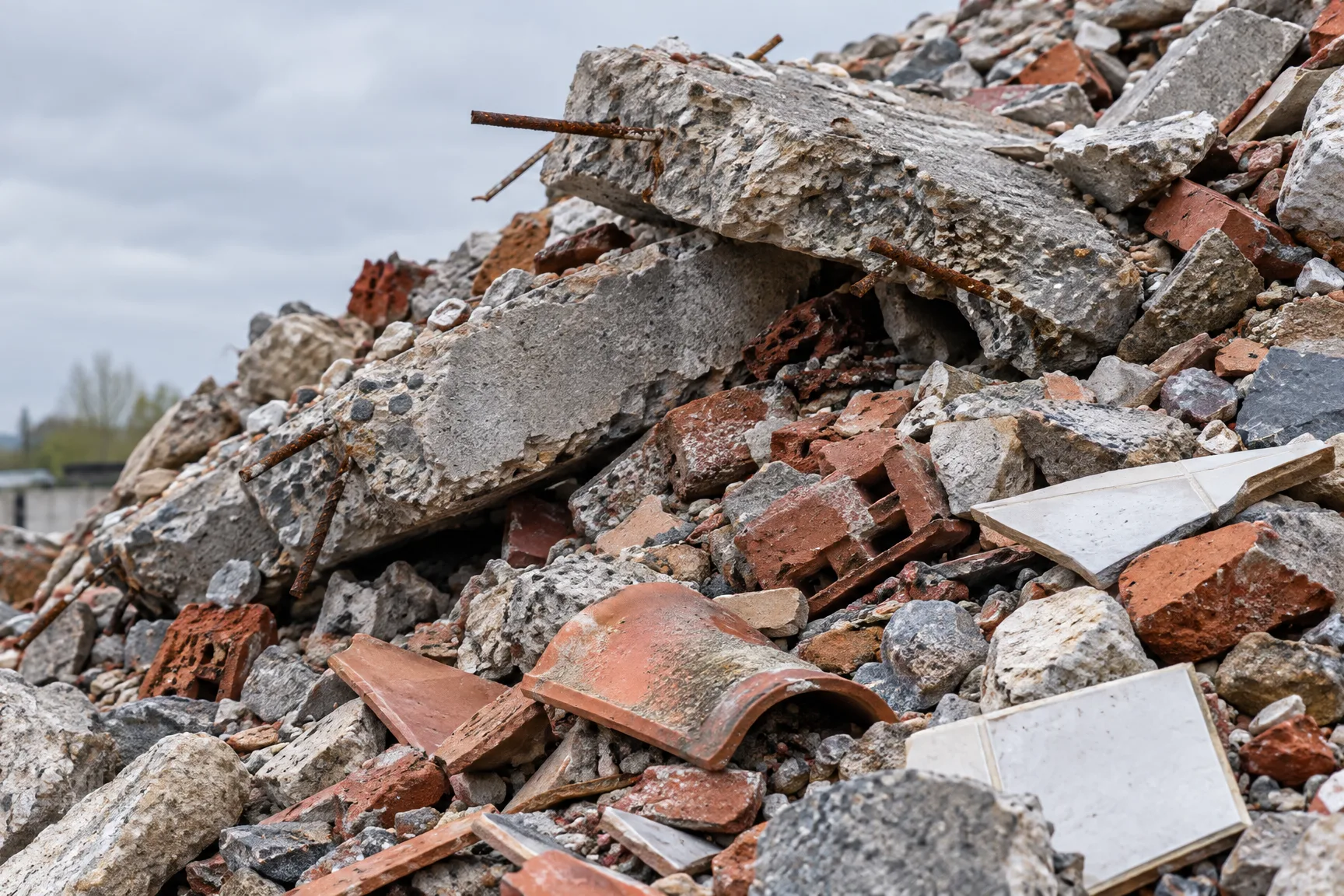
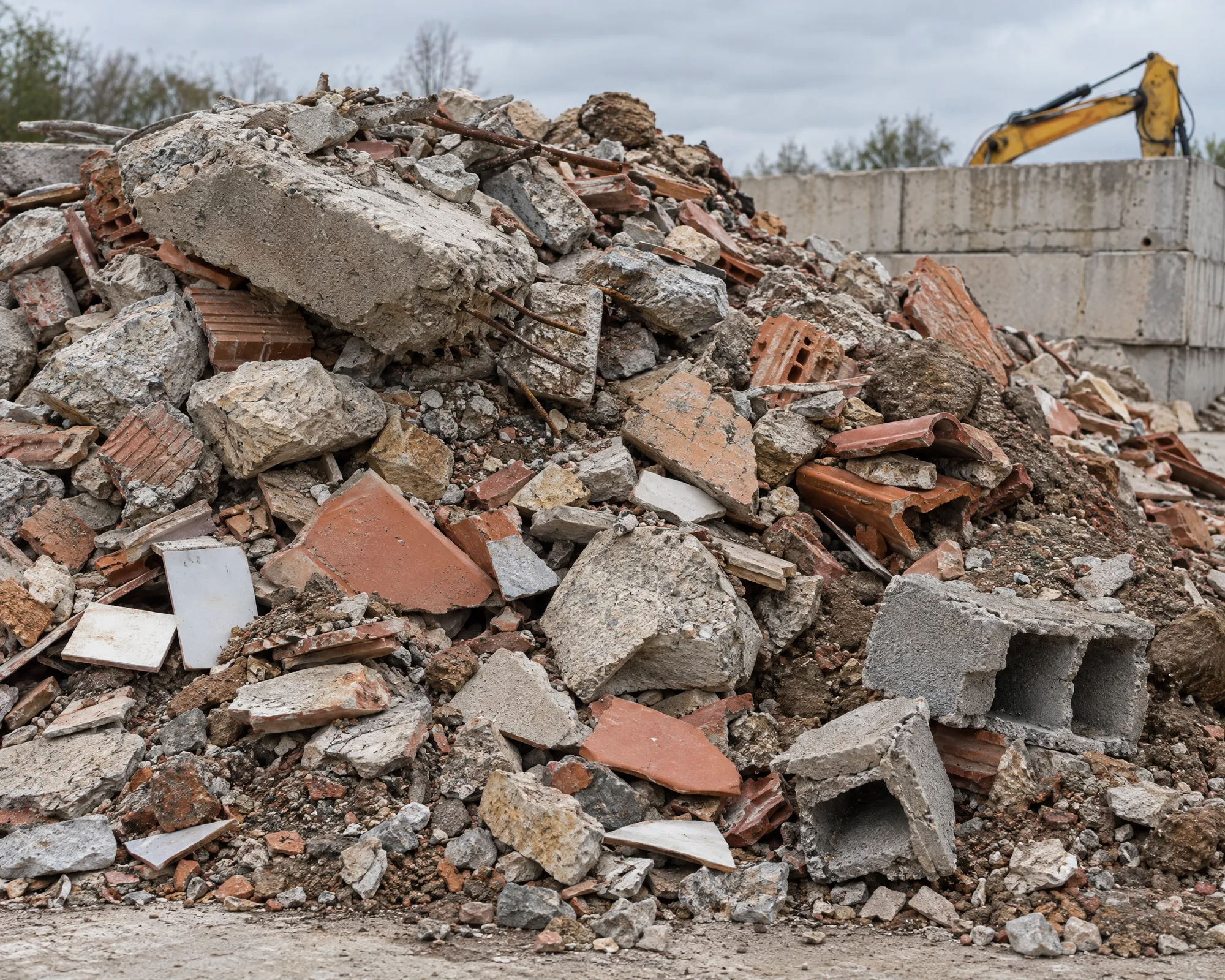
Concrete, bricks, roof tiles, ceramics, stone, rubble: building, civil engineering, demolition and renovation work generates large volumes of inert waste. These materials do not decompose, do not burn and do not undergo any significant transformation; that does not mean they have no value.
Properly sorted, much of this waste can in fact become recycled aggregate for use in new developments. Metal Resource collects and inspects inert waste and sends it to the right streams, particularly for construction companies in Loire-Atlantique.
The aim is to encourage its recycling and, where possible, to reduce reliance on mineral resources extracted from quarries.
Sorting mineral materials
- 01
Collect
Inert waste is collected from building sites in containers agreed with you, depending on the volume, the type of materials and access conditions. Collection runs keep pace with the progress of the works.
- 02
Inspect
The materials are inspected to check their type and spot anything that is not inert; hazardous waste is isolated and handled separately.
- 03
Sort
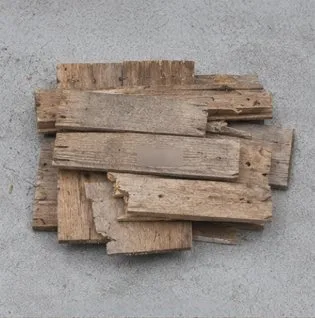
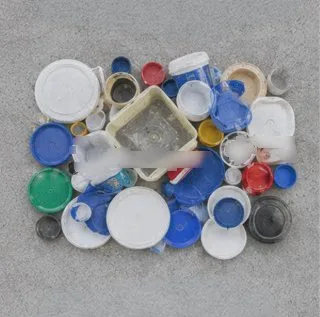
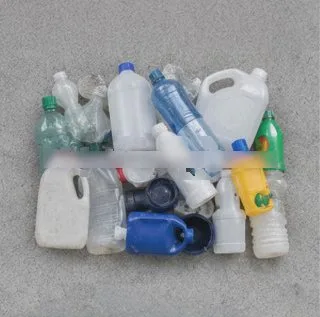
Contaminants such as wood, plastics or plaster are separated from the mineral fractions. Reinforcing bars are recovered and go to the metals stream.
- 04
Send to the right streams
Depending on their type, the materials are sent for recycling into aggregate, or to suitable facilities when they cannot be recycled.
Not just rubble, but a range of mineral materials
Waste is described as inert when it does not decompose, does not burn and does not react with its environment. Concrete, fired clay, ceramics and stone are inert; other site materials that look similar are not, and must be kept apart. Telling them apart is the key to recycling rubble.
| Material | Typical item | Where it’s found | Technical notes | What it becomes |
|---|---|---|---|---|
| ✓ConcreteReinforced or plain | 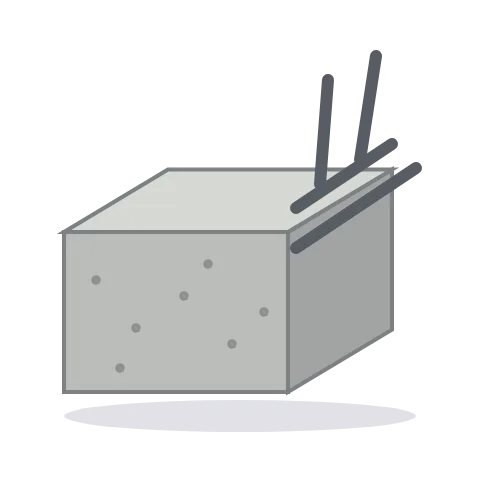 | Slabs, columns, foundations, kerbs, precast elements | Reinforcing bars are extracted by magnet after crushing and go to the ferrous metals stream. | Recycled aggregate for capping layers and backfill; sometimes new concrete |
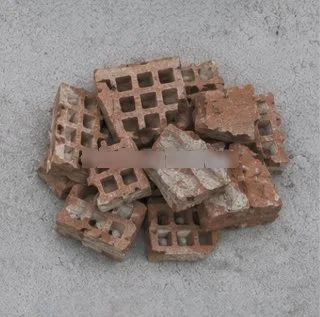
| ✓Fired clayBricks, roof tiles, breeze blocks | 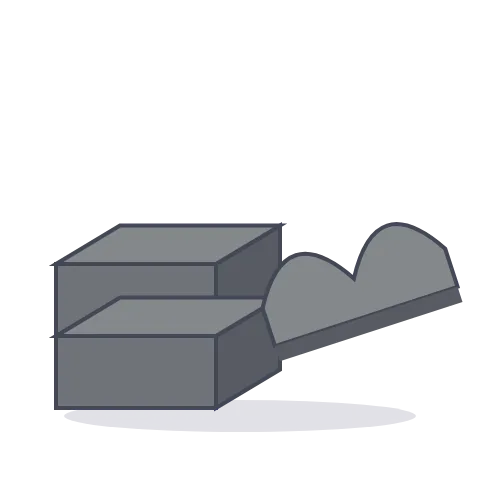 | Masonry and roofing from demolition or renovation | A porous material, less strong than concrete: it is often recycled mixed with other rubble. | Fill aggregate, sub-base layers, crushed tile for sports surfaces |
| ✓CeramicsTiling, earthenware, sanitaryware | 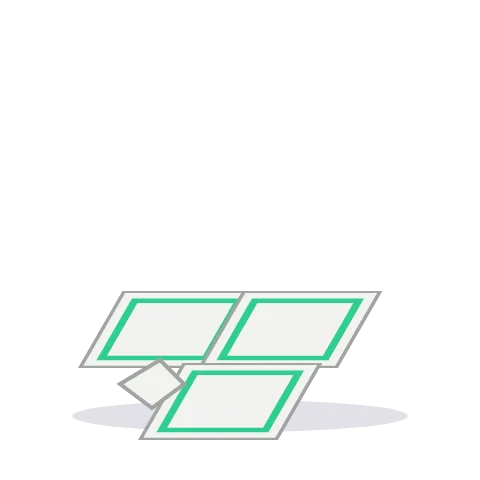 | Renovation of bathrooms, kitchens and floors | Inert provided they are cleared of excess adhesive and grout. | Crushed with rubble into aggregate |
| ✓Stone and soilUncontaminated |  | Earthworks, excavations, outdoor landscaping | Accepted only if they are not contaminated; their origin must be verifiable. | Backfill, quarry restoration |
| ✓Bituminous asphaltTar-free |  | Planing and demolition of roads, car parks and streets | Asphalt containing tar (rich in PAHs) is not inert: it must go to a hazardous waste stream. | Recycled into new asphalt |
| ✕PlasterNever to be mixed |  | Plasterboard, partitions, plaster blocks and finishes | Plaster is not inert: mixed with rubble, it degrades its quality and can give off gases in landfill. It has its own recycling stream. | Dedicated stream: recycled gypsum goes back into new plasterboard |
What is inert waste?
Waste that does not decompose, burn or react chemically, and does not pollute the soil or water it comes into contact with. This regulatory definition is what opens the way to recycling into aggregate.
Plaster and asbestos kept apart
Plaster, asbestos, tar-based asphalt: they look like rubble but are not. Just one of these materials is enough to downgrade a whole skip, and asbestos requires a specialist stream.
Sorting the mineral fraction
The mineral fraction is one of the streams that professionals must sort at source. Since 2023, the extended producer responsibility (EPR) scheme for construction products and materials (REP PMCB) has also organised the take-back of sorted building waste.
Resources suited to building sites
- 26-tonne material handler, grab and magnetsIt handles and sorts the materials, and its magnets recover metal items.
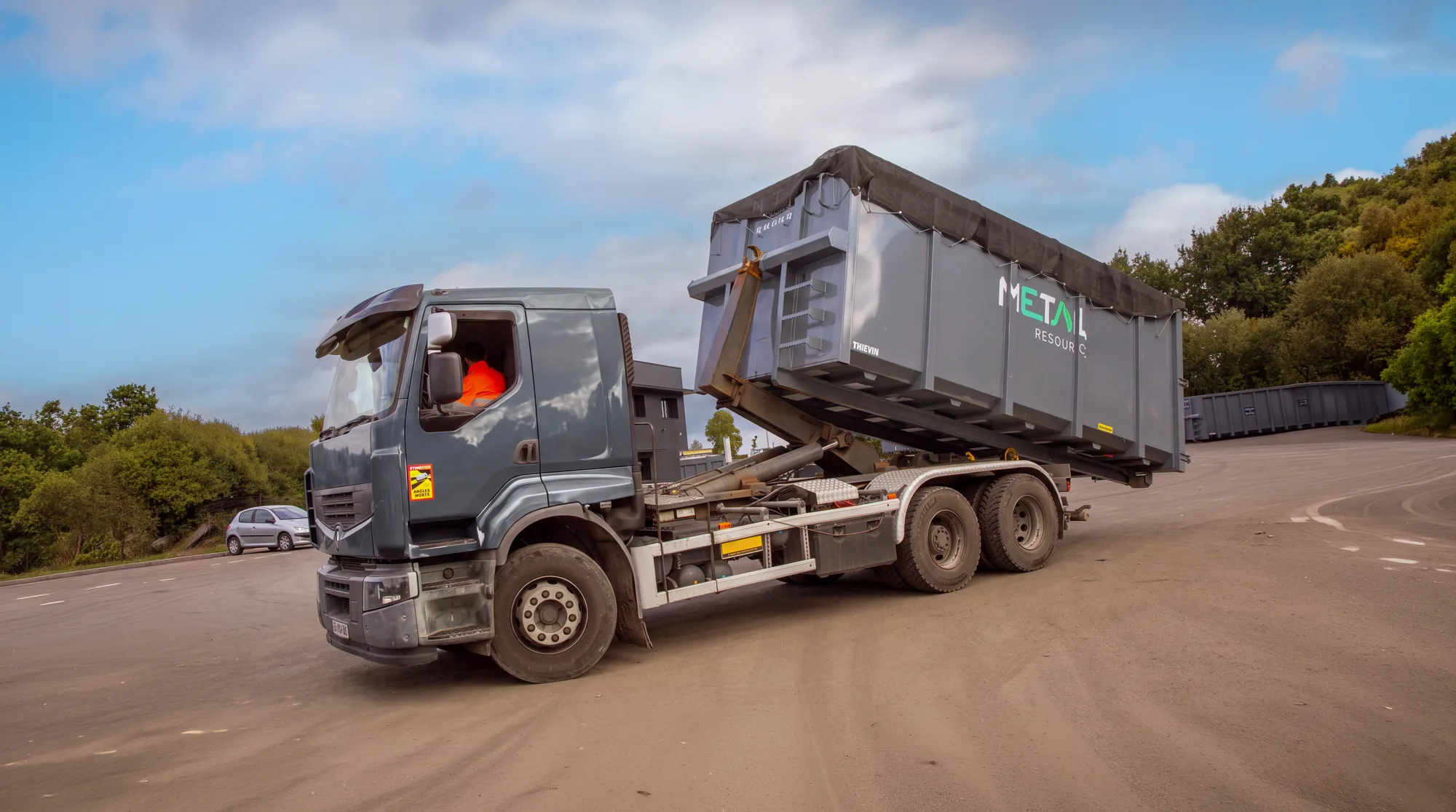
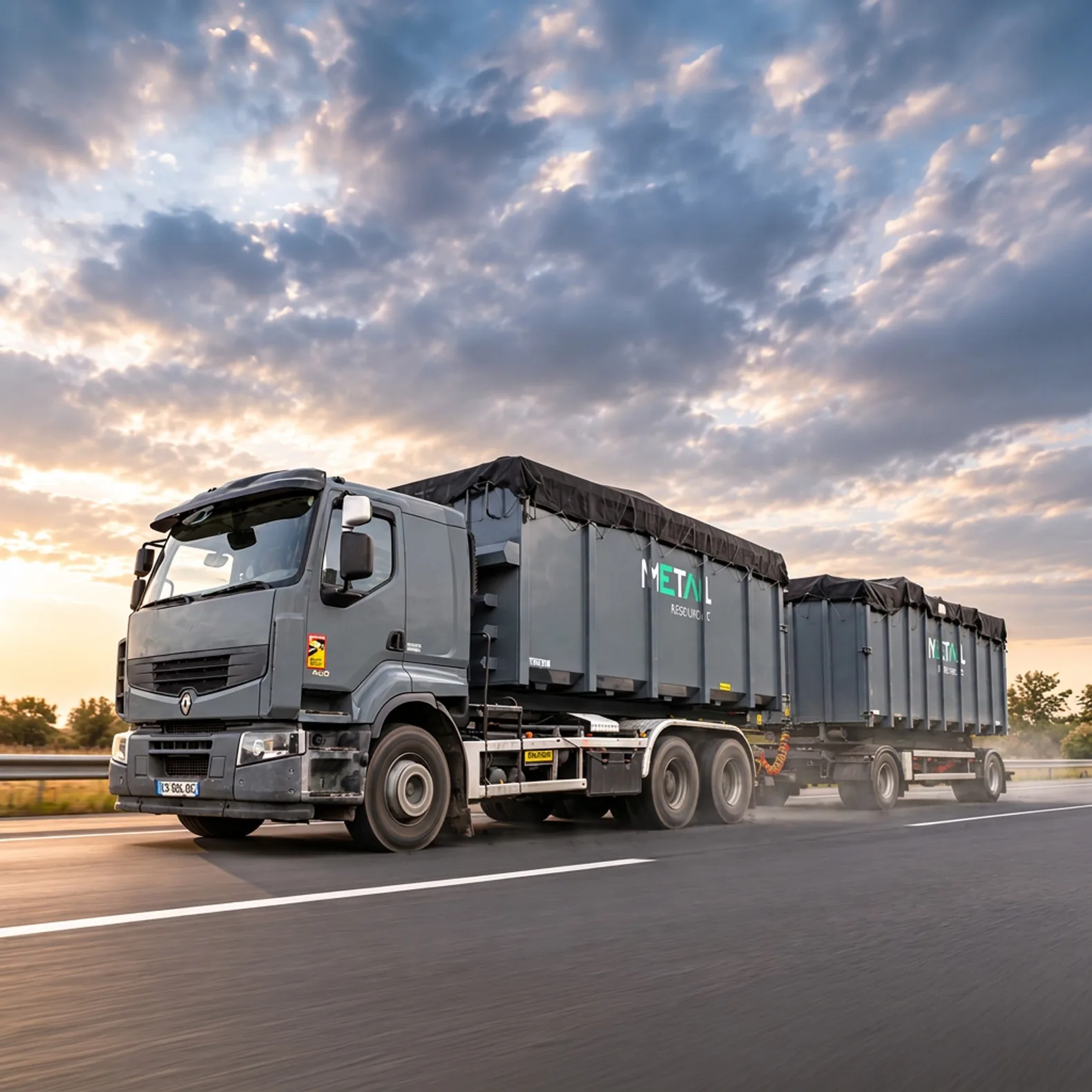
- Hook-lift truck and trailerIt carries out collection runs on building sites and reduces the number of journeys.
Container agreed with you
Depending on the volume, the type of materials and access conditions on site.
What happens to inert waste?
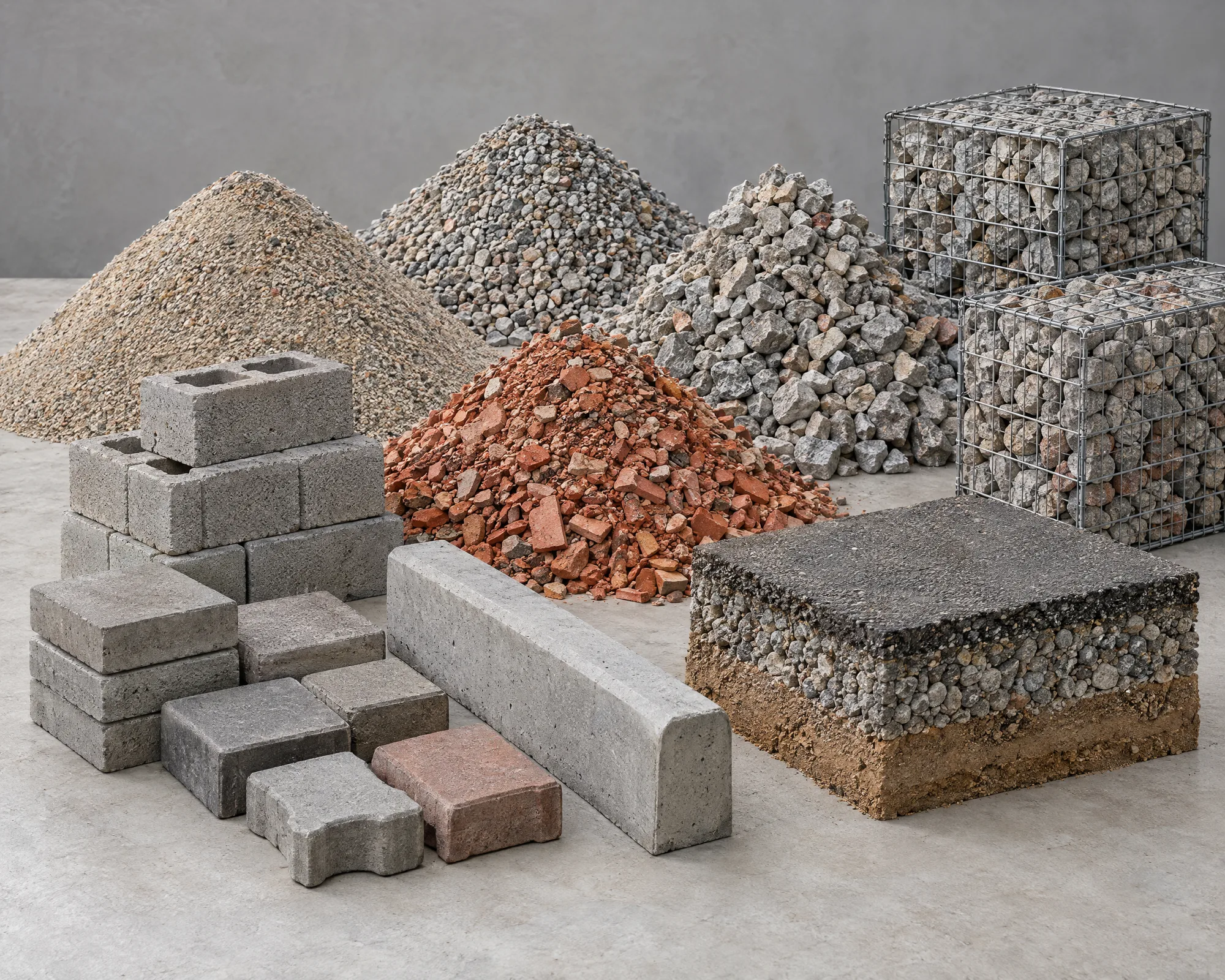
Once sorted, inert waste can be crushed and screened in specialist facilities to become recycled aggregate. Depending on their technical characteristics, these aggregates find new uses in civil engineering: capping layers, backfill, platforms or certain road applications.
Concrete from demolition can thus become a useful mineral material for a new development, rather than being disposed of.
- Building site
- Inspection
- Removing contaminants
- Crushing
- Screening
- Recycled aggregate
- New development
Rubble can become a material again
Properly sorted, some rubble can replace quarried aggregate for specific uses. Recovery thus keeps part of the mineral material in the economic cycle, while reducing both the volumes sent to landfill and the extraction of new resources.
For a construction company, it is also a practical way of meeting traceability and recycling requirements for site waste.
Processing in line with current environmental standards
The Metal Resource site is a classified installation for environmental protection (ICPE), subject to the declaration regime. It is operated in compliance with the regulatory requirements applicable to its activities.

Recycling your rubble
What is inert waste?
A material that does not decompose, does not burn and does not undergo any significant transformation: concrete, bricks, roof tiles, ceramics, stone.
Can plaster go in with rubble?
No. Plaster is not inert: it degrades the quality of rubble and follows its own recycling stream. It must be collected separately.
What happens to rubble?
Sorted, then crushed and screened, it becomes recycled aggregate used in civil engineering, for backfill or capping layers.
Does Metal Resource recover metals from demolition waste?
Yes. Metal items, such as reinforcing bars, are recovered and sent to metal recycling streams.
Do construction companies have to sort their rubble?
Yes. The mineral fraction is one of the streams that must be sorted at source, and the EPR scheme for construction products and materials organises the take-back of sorted building waste.
Other materials
Do you have rubble or inert waste to remove?
Concrete, bricks, roof tiles, ceramics or stone: Metal Resource offers you a suitable solution for their collection, sorting and recovery.