
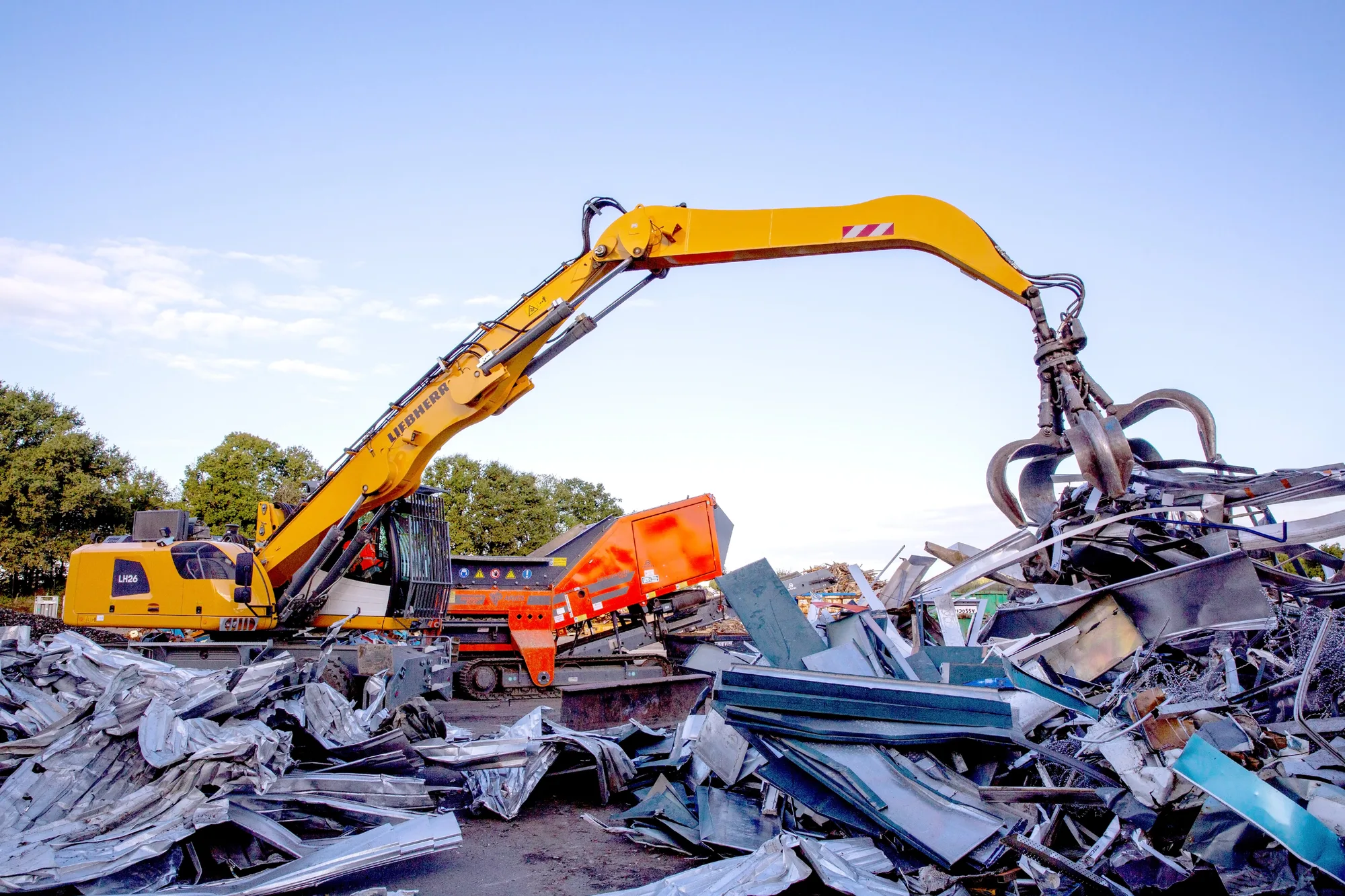
Whether it comes from industry, construction, demolition, maintenance or equipment replacement, scrap metal is one of the most recyclable materials there is: steel and cast iron can be remelted without losing their essential properties. But they still need to reach the recycling channels as clean, uniform batches.
That is precisely what Metal Resource does. From its site in Puceul, Loire-Atlantique, the company collects scrap metal from businesses, accepts direct drop-offs, then checks, sorts and prepares it. Steel, cast iron, sheet metal, production offcuts, mechanical parts and end-of-life metal equipment are separated according to their grade.
The aim is simple: to turn metal waste into a material ready for industrial reuse, while preserving as much of its value as possible.
From scrap metal to a material ready for recycling
- 01
Collect
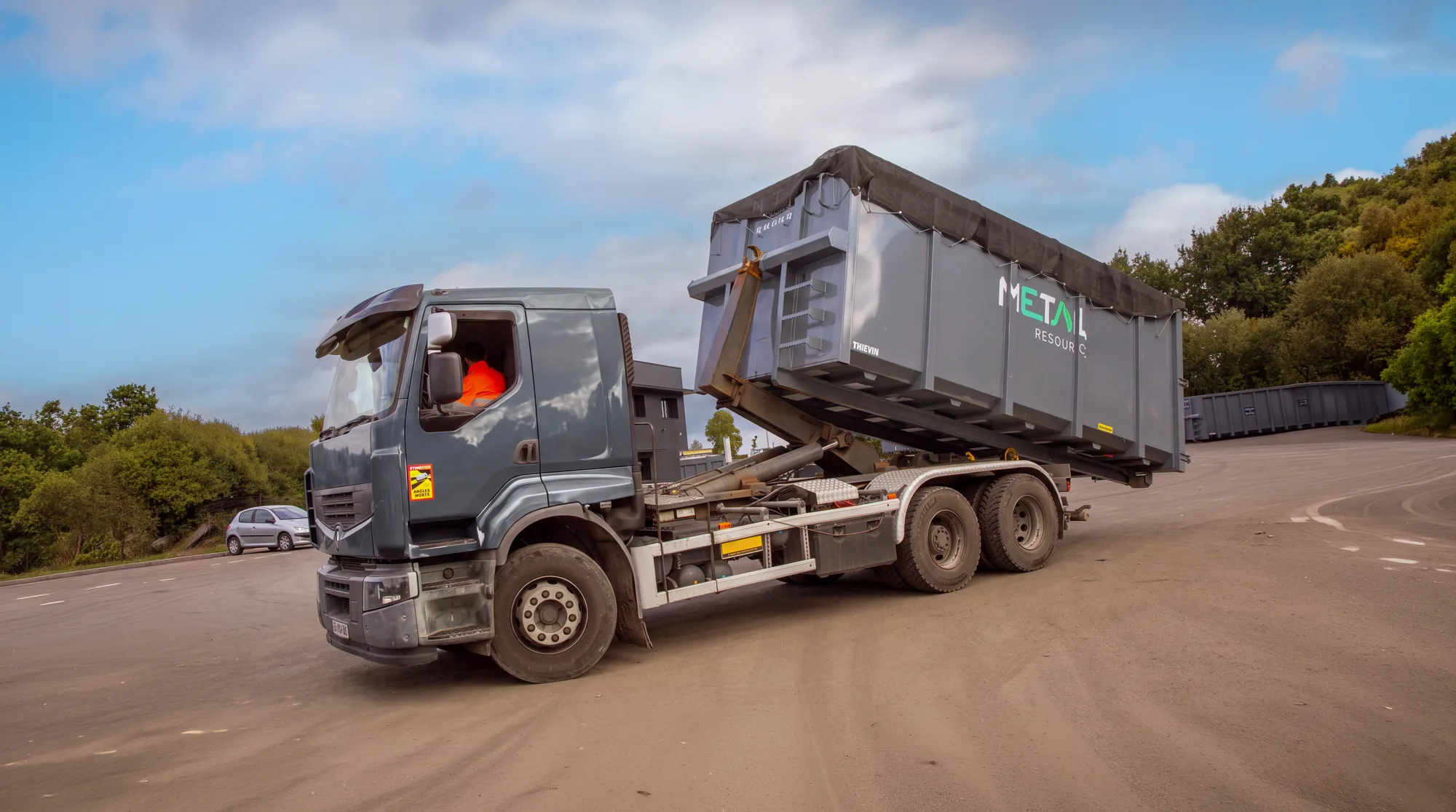
Scrap metal is collected in 15 to 30 m³ hook-lift skips, suited to large volumes and heavy items, with scheduled, on-demand or emergency pick-ups. Tradespeople and individuals can also bring it to Puceul.
- 02
Weigh and check
On arrival, scrap metal is weighed, then checked to identify the different grades and to set aside unwanted materials.
- 03
Sort and prepare
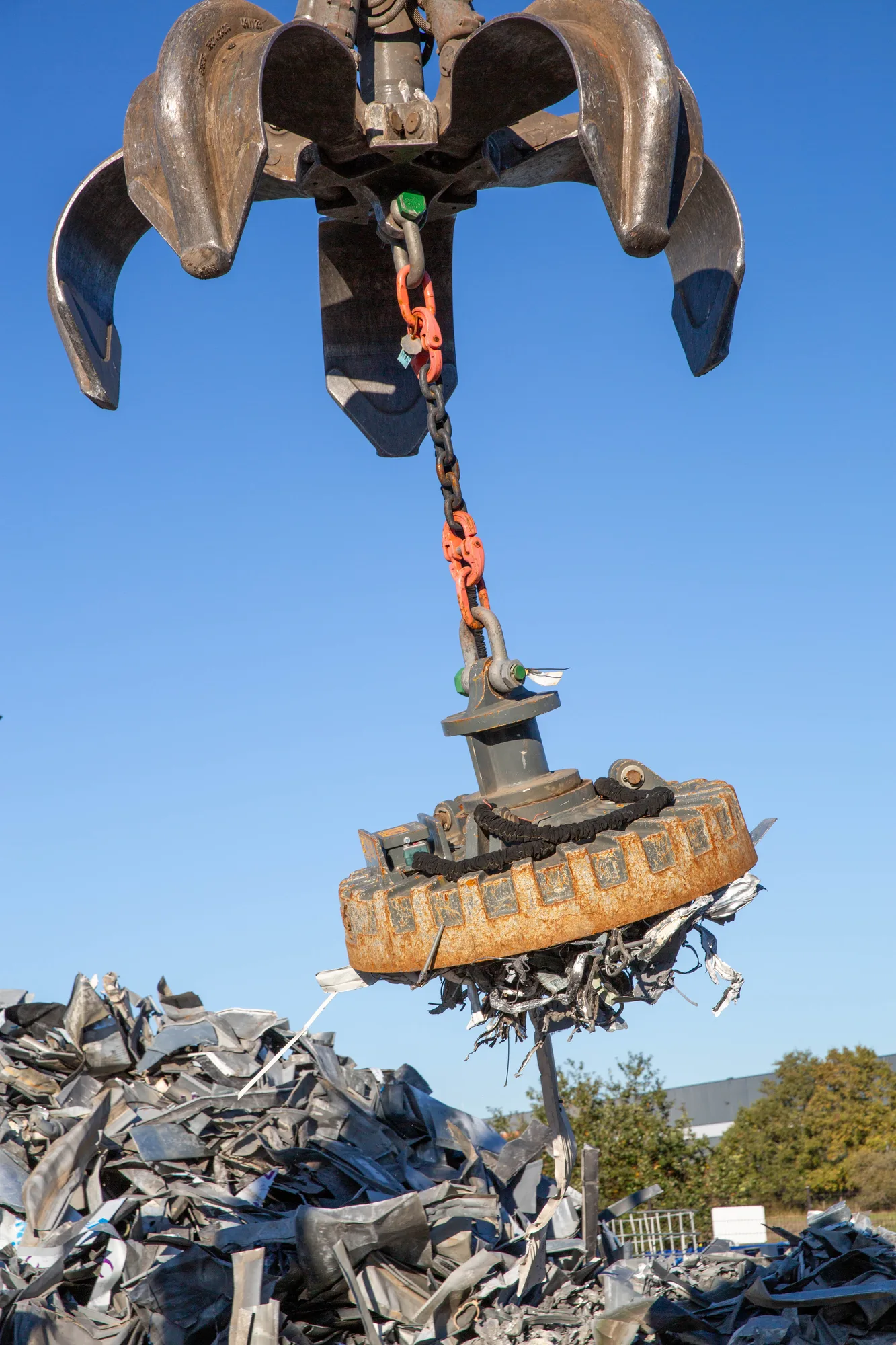
Our 26-tonne material handler, fitted with a grab and magnets, sorts the metals; our 340 hp shredder breaks down the waste and separates ferrous metals from other materials.
- 04
Route to the right channels
The different grades go to steelworks and foundries, where they enter a new production cycle.
Not one scrap metal, but many steel grades
Steelworks do not buy “scrap metal”, but specific grades defined by the European Steel Scrap Specification. Thickness, cleanliness, origin (old or new), shape: every criterion counts. A batch that matches its grade is easier to remelt, and sells for more.
| Grade | Typical item | Where it’s found | Technical notes | What it becomes |
|---|---|---|---|---|
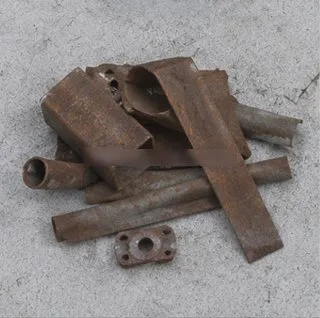
| E3Heavy old scrapAt least 6 mm thick | 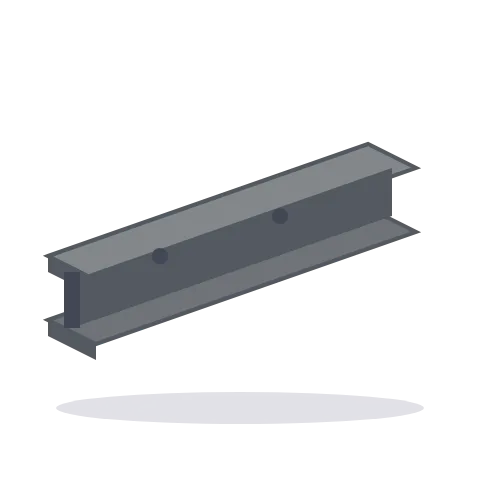 | Beams, steel frames, rails, demolition parts, heavy machinery | The most sought-after grade of old scrap: dense, lightly rusted, easy to charge into the furnace. | New long steel products: rebar, beams, sections |
| E1Light old scrapLess than 6 mm thick | 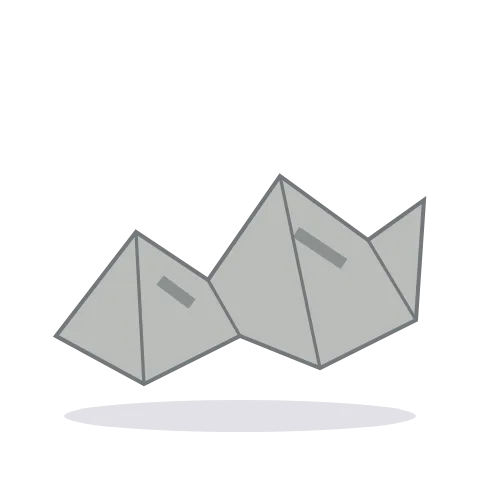 | Sheet metal, cladding, gutters, household appliances, metal furniture | Light and bulky: it is often shredded or compacted to increase its density. | Construction steel, after shredding or compacting |
| E2·E8New production scrapNew steel, never used | 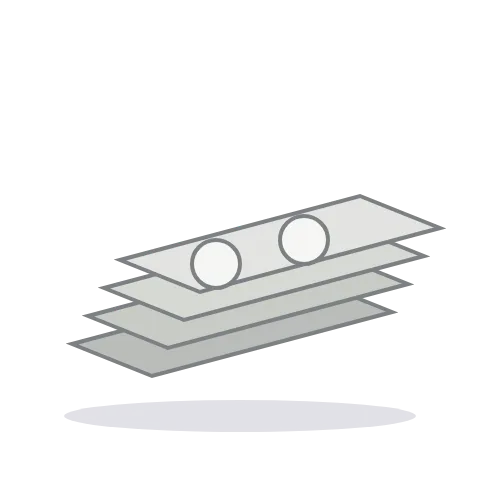 | Cutting, punching and stamping offcuts, manufacturing rejects | Known composition and no coating: the purest scrap, and therefore the most valuable. | Flat and quality steels, remelted without further sorting |
| E5HTurnings and swarfMachining residues | 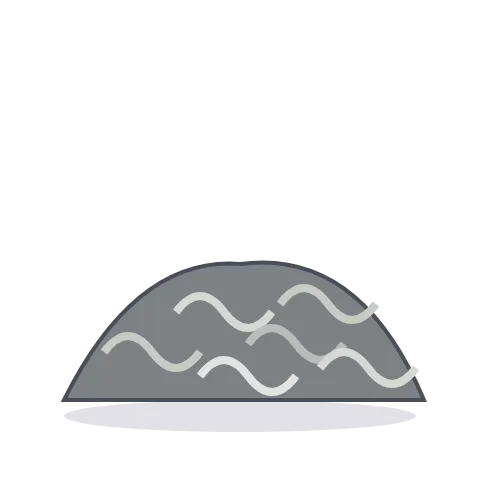 | Turning, milling and drilling swarf from machine shops | Often soaked in cutting oil: store under cover, drained, and separate from stainless steel or brass swarf. | Remelted in steelworks, often after briquetting |
| E40Shredded scrapAfter going through the shredder | 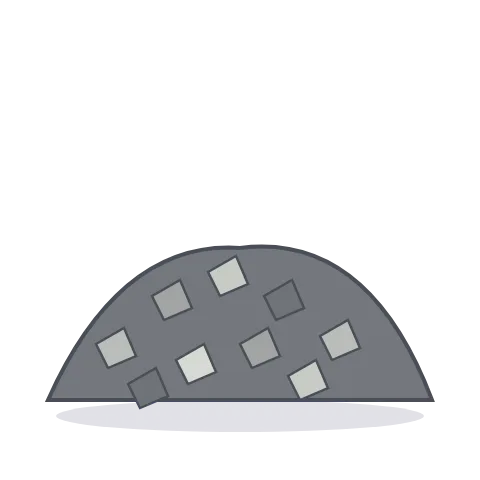 | Light scrap and equipment, shredded then sorted with magnets | Shredding separates iron from plastics, rubber and non-ferrous metals, and produces a dense, uniform material. | Electric furnace charge highly valued by steelworks |
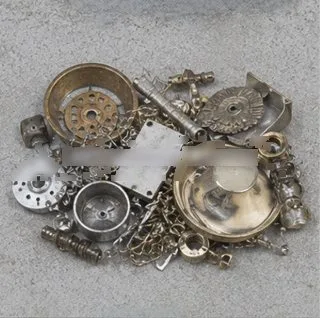
| VFCast ironHigh-carbon iron | 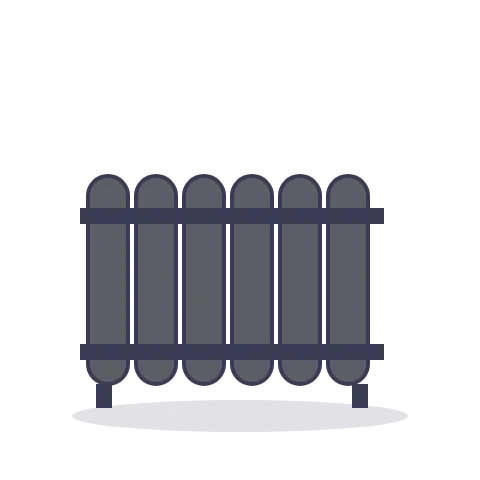 | Radiators, engine blocks, pipes and manhole covers, machine parts | Brittle and heavy; it is sorted separately from steel because its composition is different. | Foundries: new castings, manhole covers, mechanical parts |
The magnet test
A ferrous metal is attracted to a magnet; this is the first sorting step in the yard. But note: the most common stainless steel is not magnetic, so it goes with the non-ferrous metals.
Rust is not a problem
Rusty scrap metal recycles without difficulty. What downgrades a batch is foreign matter: soil, wood, plastic, and above all copper, which weakens steel.
Endless recycling
Steel can be remelted indefinitely without losing its properties. In France, a large share of new steel is already made from scrap metal, in electric furnaces.
Equipment to prepare the material
- 26-tonne material handler, grab and magnetsIt moves, sorts and loads large volumes of metal materials.
- 340 hp shredderIt breaks down metal waste and separates ferrous metals from other materials.
- Hook-lift truck and trailerIt carries out skip pick-ups at our customers’ sites and cuts down the number of trips.
Hook-lift skips · 15 to 30 m³
For large volumes and heavy or bulky items.
What happens to scrap metal?
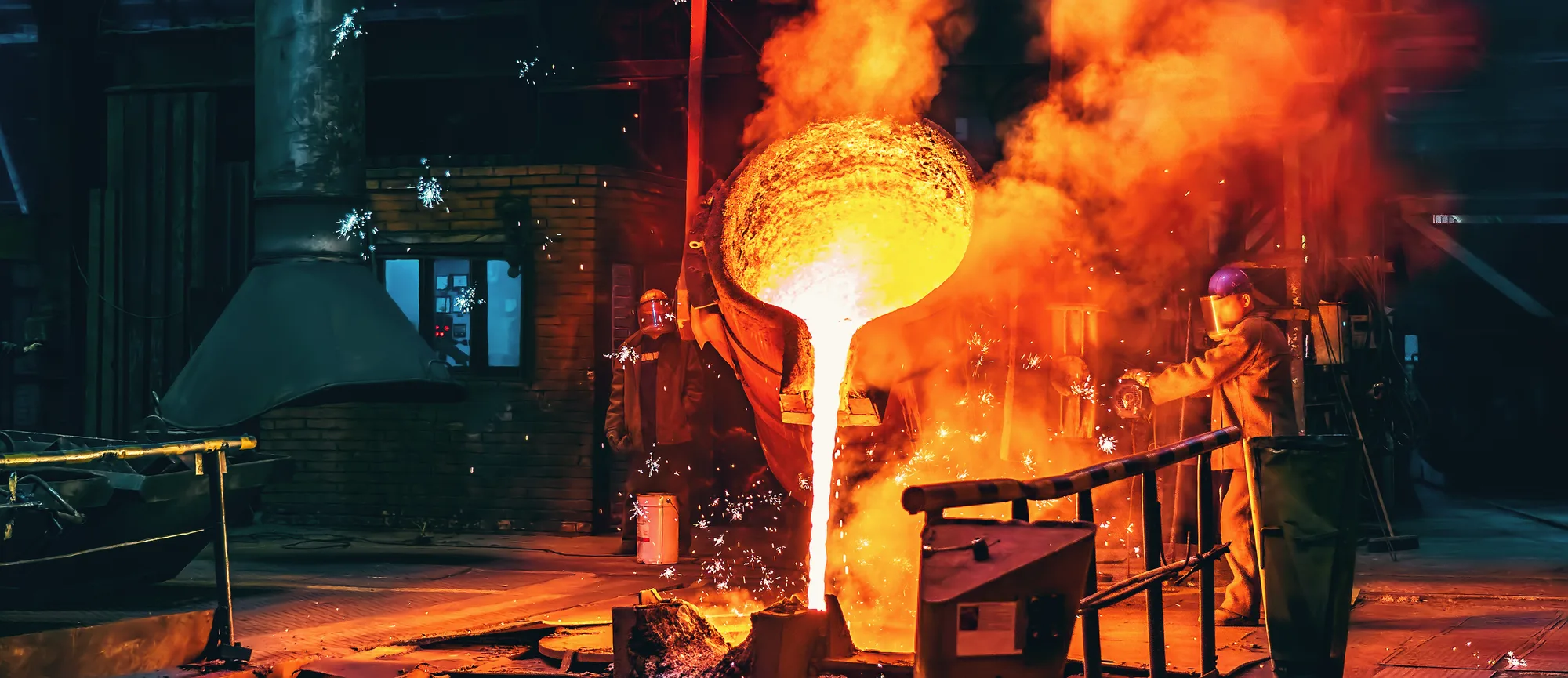
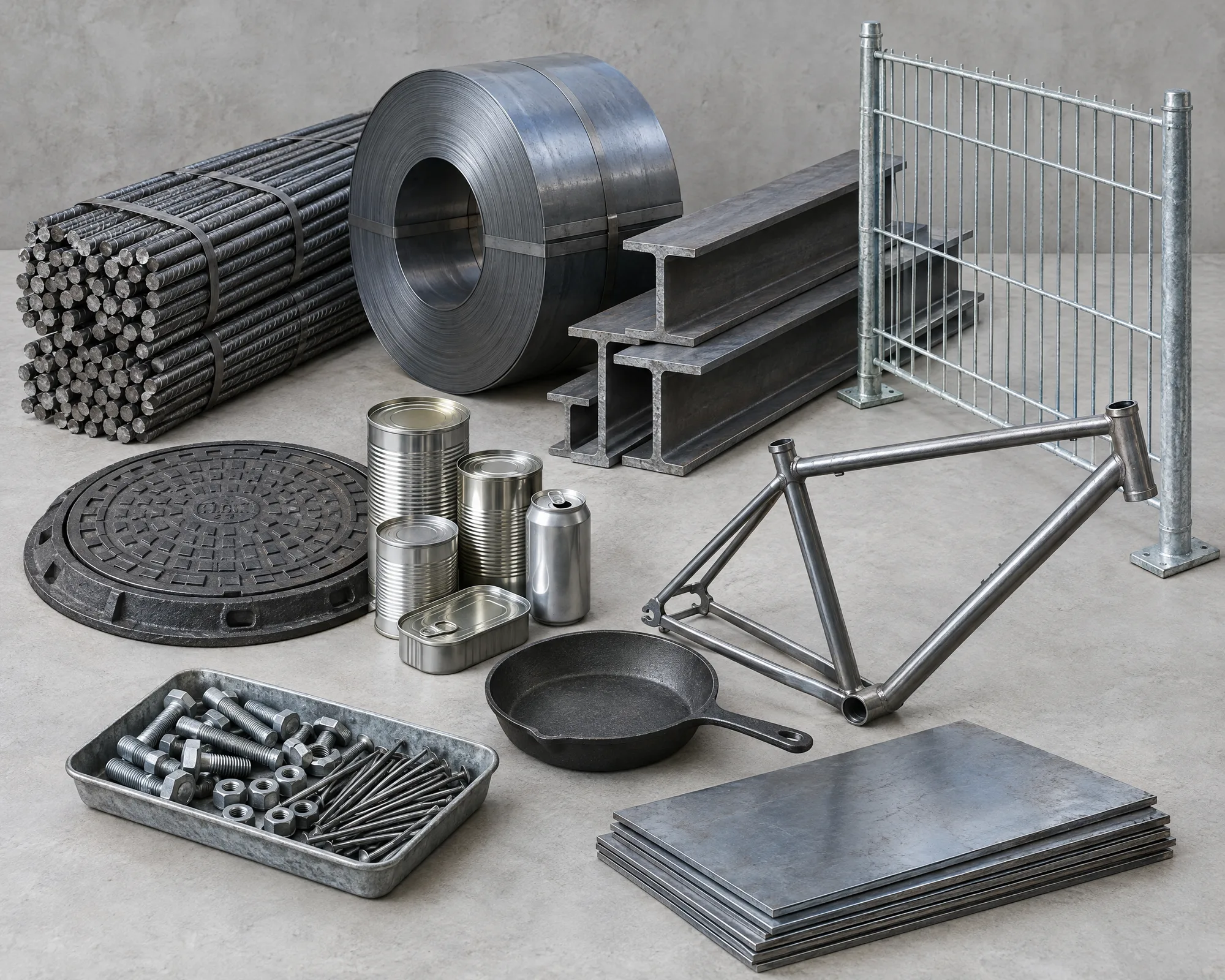
Once sorted and prepared, scrap metal becomes a secondary raw material for the metals industry. Remelted in steelworks or foundries, refined and then processed, it goes into the manufacture of new steels and metal products for construction, the automotive industry, mechanical engineering and infrastructure.
Metal has a considerable advantage here: it can be recycled without having to start again from virgin ore, which conserves natural resources and reduces energy consumption.
- Collection
- Weighing
- Magnetic sorting
- Shredding
- Batches by grade
- Steelworks
- New steel
Giving the material new value
Recovering scrap metal is not simply a matter of getting rid of it. The quality of sorting and preparation turns mixed metal waste into identified batches that industry can use directly; and the more uniform a batch, the better it sells.
That is why Metal Resource separates the different grades and prepares the material to meet the needs of steelworks and foundries. Scrap metal thus goes from waste to resource, and part of its value returns to whoever produced it.
Processing in line with current environmental standards
The Metal Resource site is a classified installation for environmental protection (ICPE), subject to the declaration regime. It is operated in compliance with the regulatory requirements applicable to its activities.

Recycling your scrap metal
What scrap metal does Metal Resource accept?
Steel, cast iron, sheet metal, production offcuts, mechanical parts and end-of-life metal equipment, collected from businesses or brought to Puceul.
How is scrap metal sorted?
By grade: heavy or light old scrap, new offcuts, swarf, cast iron. The more uniform and clean a batch, the better it recycles and the more value it has.
Can rusty scrap metal be recycled?
Yes. Rust does not hinder remelting; it is foreign matter (soil, wood, plastic, copper) that downgrades a batch.
How is scrap metal collected?
In 15 to 30 m³ hook-lift skips, with scheduled, on-demand or emergency pick-ups. Direct drop-off at our Puceul site is also possible.
What happens to recycled scrap metal?
Remelted in steelworks or foundries, it is used to make new steels and metal parts for construction, the automotive sector or industry.
Other materials
Do you have scrap metal for collection or recovery?
Production offcuts, metal equipment, industrial scrap or construction site waste: Metal Resource looks at your needs and offers you a suitable solution.