
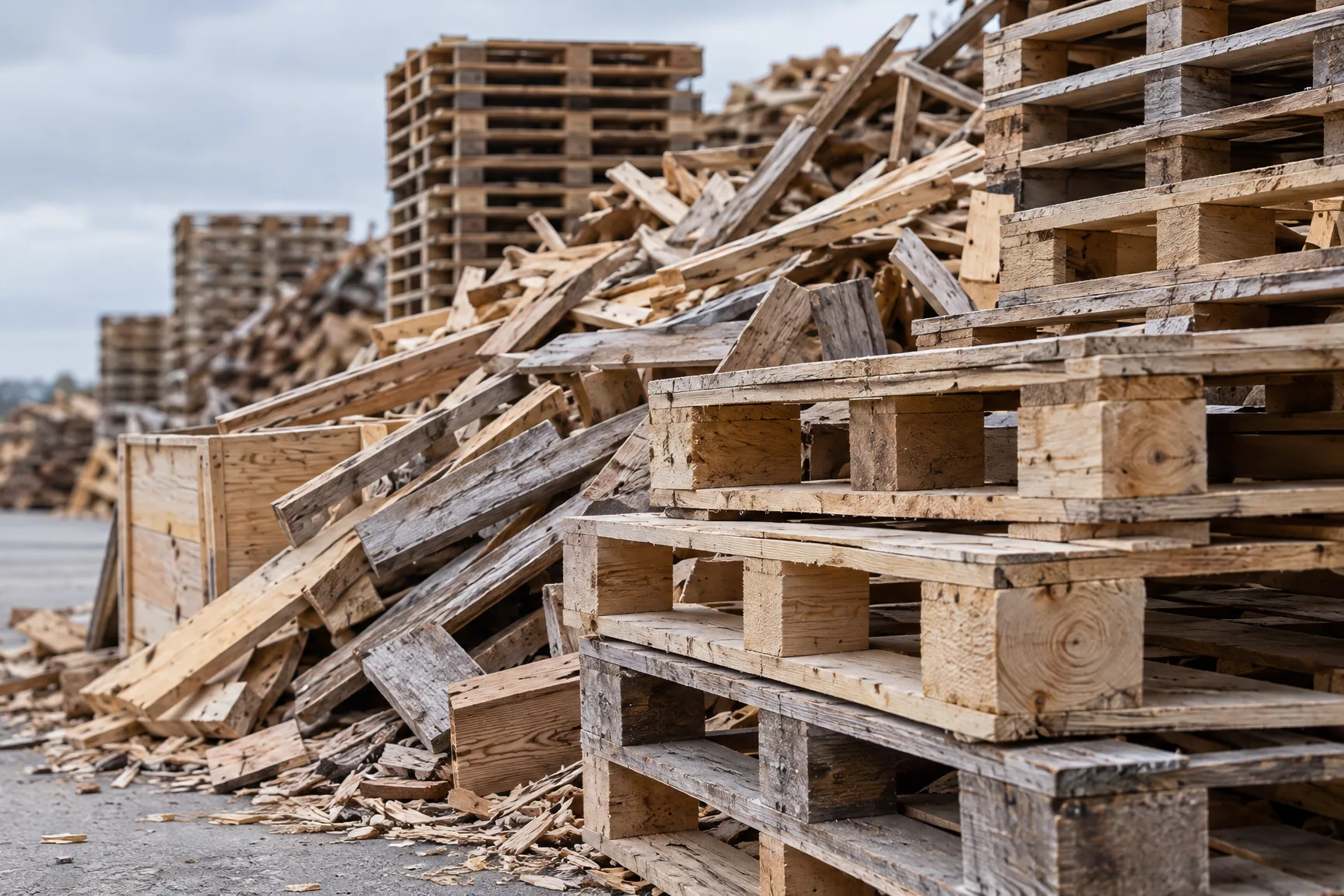
Pallets, crates, packaging, production offcuts, panels, construction timber, furniture or items from deconstruction: business activities generate wood waste of widely varying types and grades. Yet not all of it can follow the same stream, because where wood ends up depends above all on its grade and on the treatments it has received.
Metal Resource collects, sorts and prepares wood waste so that it can be sent to the appropriate recycling or recovery solution. From its Puceul site in Loire-Atlantique, the company works with manufacturers, construction companies, tradespeople and logistics hubs.
The aim is twofold: to preserve the material whenever possible, and to find the best outlet for each grade of wood.
Identifying and separating the different grades of wood
- 01
Collect
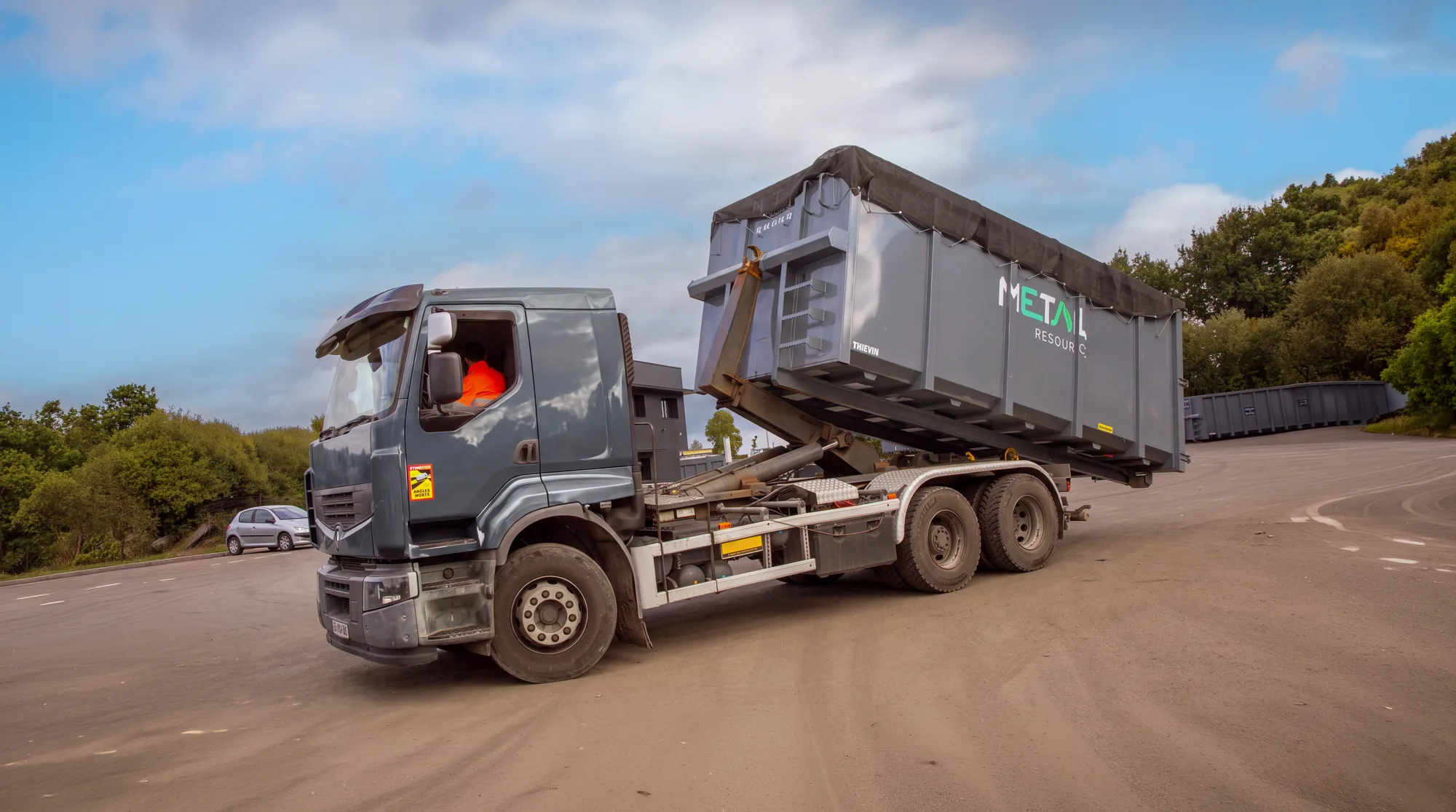
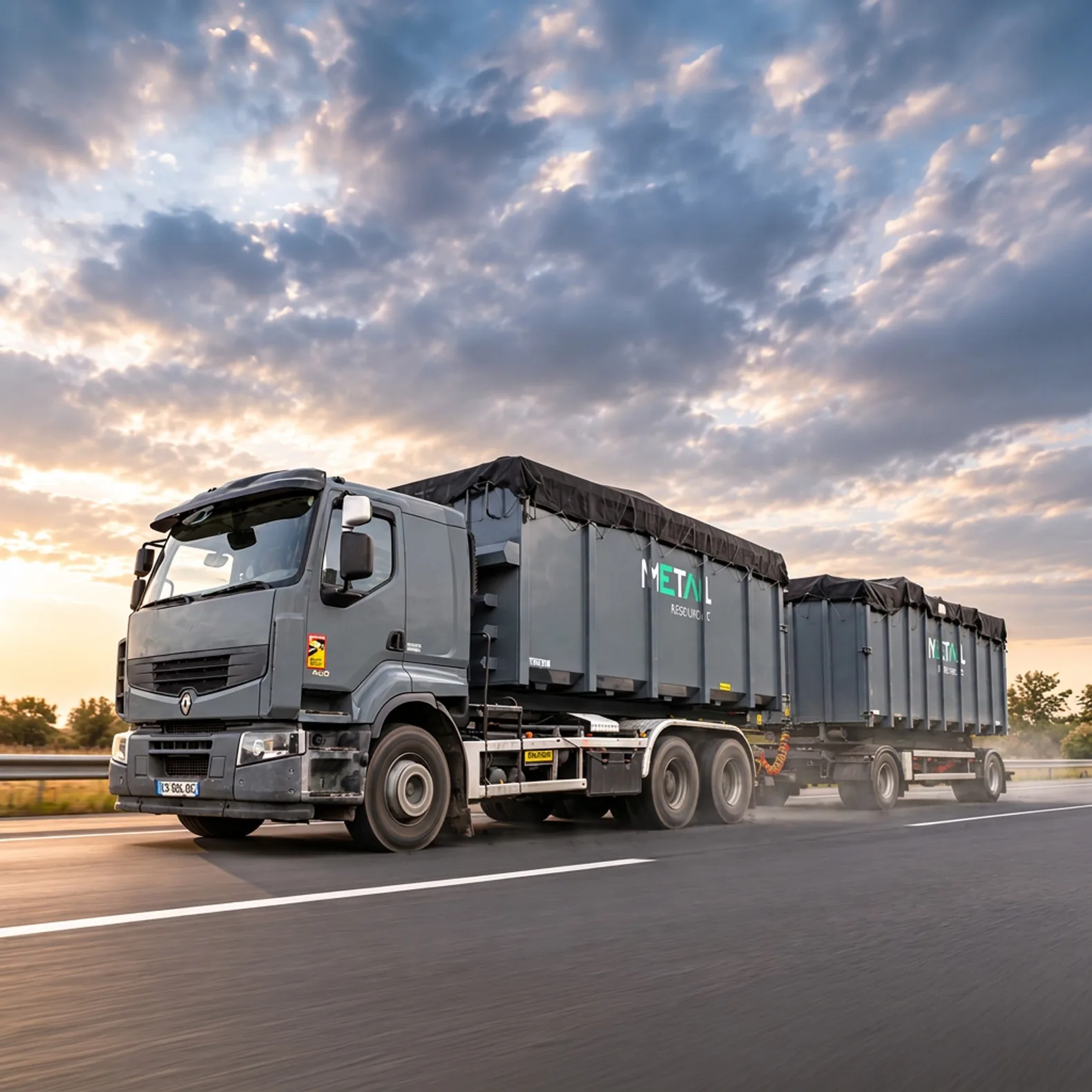
Wood waste is collected in 15 to 30 m³ hook-lift skips, with scheduled or on-demand collection runs. Tradespeople can also drop it off directly at our site.
- 02
Inspect and sort
The wood is inspected and separated according to its type and the treatments it has received: raw wood, chipboard and treated wood do not follow the same streams.
- 03
Prepare
Depending on the stream, the wood may be dismantled or shredded to produce a more uniform material that is easier to process.
- 04
Remove contaminants
Foreign items, particularly metals (nails, screws, fittings), are removed; these metals then go to their own recycling stream.
- 05
Send to the right stream
Depending on its grade, the wood is sent for reuse, material recycling or energy recovery.
Not one wood, but three classes of wood
Professionals classify wood waste into three categories, A, B and C, according to the treatments it has received. A raw pallet, a chipboard panel and a railway sleeper have neither the same composition nor the same outlets. Knowing which class a piece of wood belongs to means knowing what it can become.
| Class | Typical item | Where it’s found | Technical notes | What it becomes |
|---|---|---|---|---|
| AClass ARaw, untreated wood | 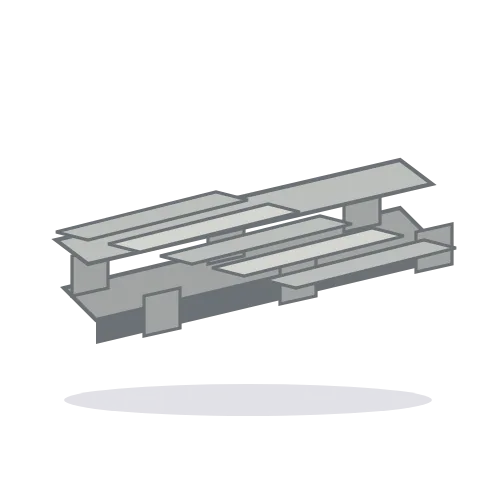 | Pallets, crates, produce crates, packaging timber, unpainted solid wood offcuts | The easiest wood to recover: no paint, no varnish and little glue. Pallets in good condition can be repaired and reused. | Pallet reuse, particleboard, wood fuel (chips, pellets) |
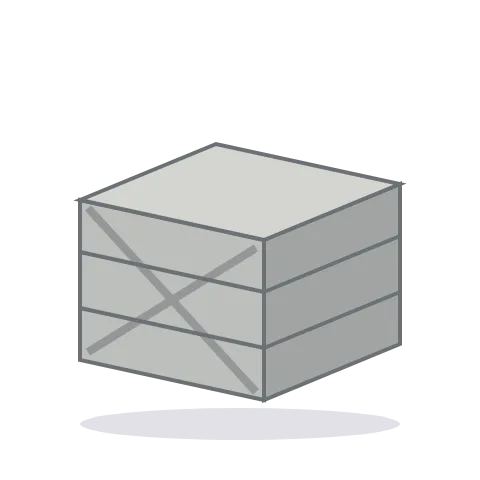 | Industrial packaging, dunnage, wooden cable drums | Nails and fittings are removed by magnet after shredding; they go to the metals stream. | Particleboard, biomass fuel | |
| BClass BWood with low levels of additives | 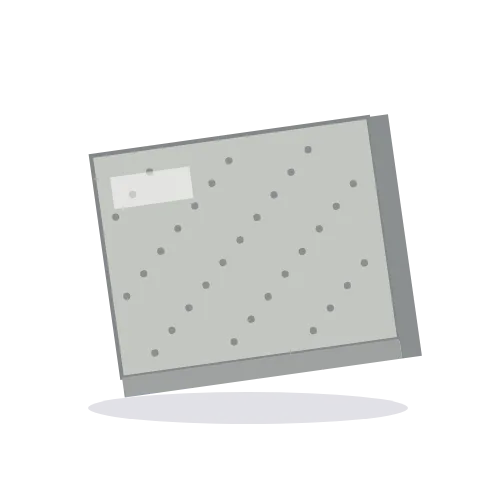 | Particleboard, plywood, MDF, joinery offcuts | Contains glues and binders. It is the largest source of wood waste for businesses. | New particleboard; failing that, energy in authorised boiler plants |
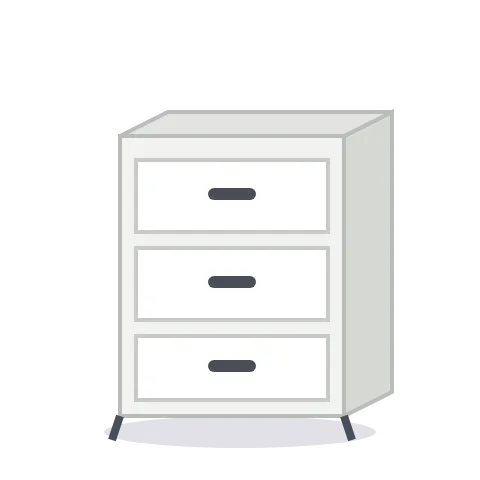 | Furniture, painted or varnished wood, doors, demolition timber | Paint and varnish must remain in small quantities; furniture also falls under the extended producer responsibility (EPR) scheme for furnishings. | Panels, energy recovery in an authorised facility | |
| CClass CHazardous treated wood | 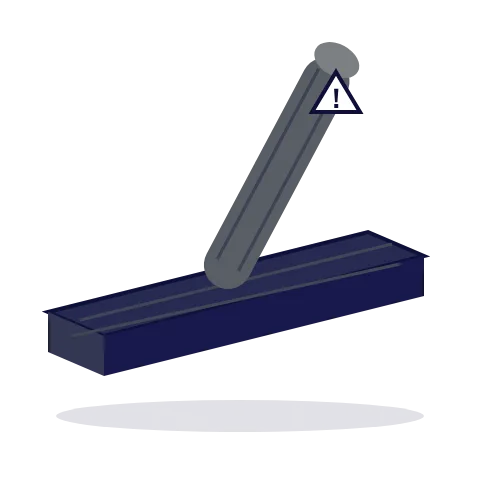 | Railway sleepers, electricity or telephone poles, wood treated with creosote or metal salts | Classified as hazardous waste: it must never be mixed with class A and B wood, nor burned outside a specialist facility. | Dedicated hazardous waste stream, with a waste tracking form (BSD) |
Three classes, three streams
The A, B, C classification is the common reference for professionals handling end-of-life wood. It does not measure the value of the wood but what it contains: the more it has been treated, the fewer outlets it has.
The treated wood trap
A single treated pole or sleeper is enough to downgrade a whole skip of clean wood. That is why class C wood is always collected separately, and never mixed.
Sorting at source
Since 2016, wood has been one of the streams that businesses must sort at source. Separating raw wood from panels, and both from treated wood, is what makes it possible to recycle as much as possible.
Machinery for sorting the material
- 26-tonne material handler, grab and magnetsIt moves and sorts large volumes of wood; its magnets recover metal items.
- 15 to 30 m³ hook-lift skipsThey are matched to the volumes produced and the space available at the customer’s site.
- Hook-lift truck and trailerIt carries out collection runs at our customers’ sites and reduces the number of journeys.
Hook-lift skips · 15 to 30 m³
Choose the volume that suits the quantity of wood.
What happens to the collected wood?
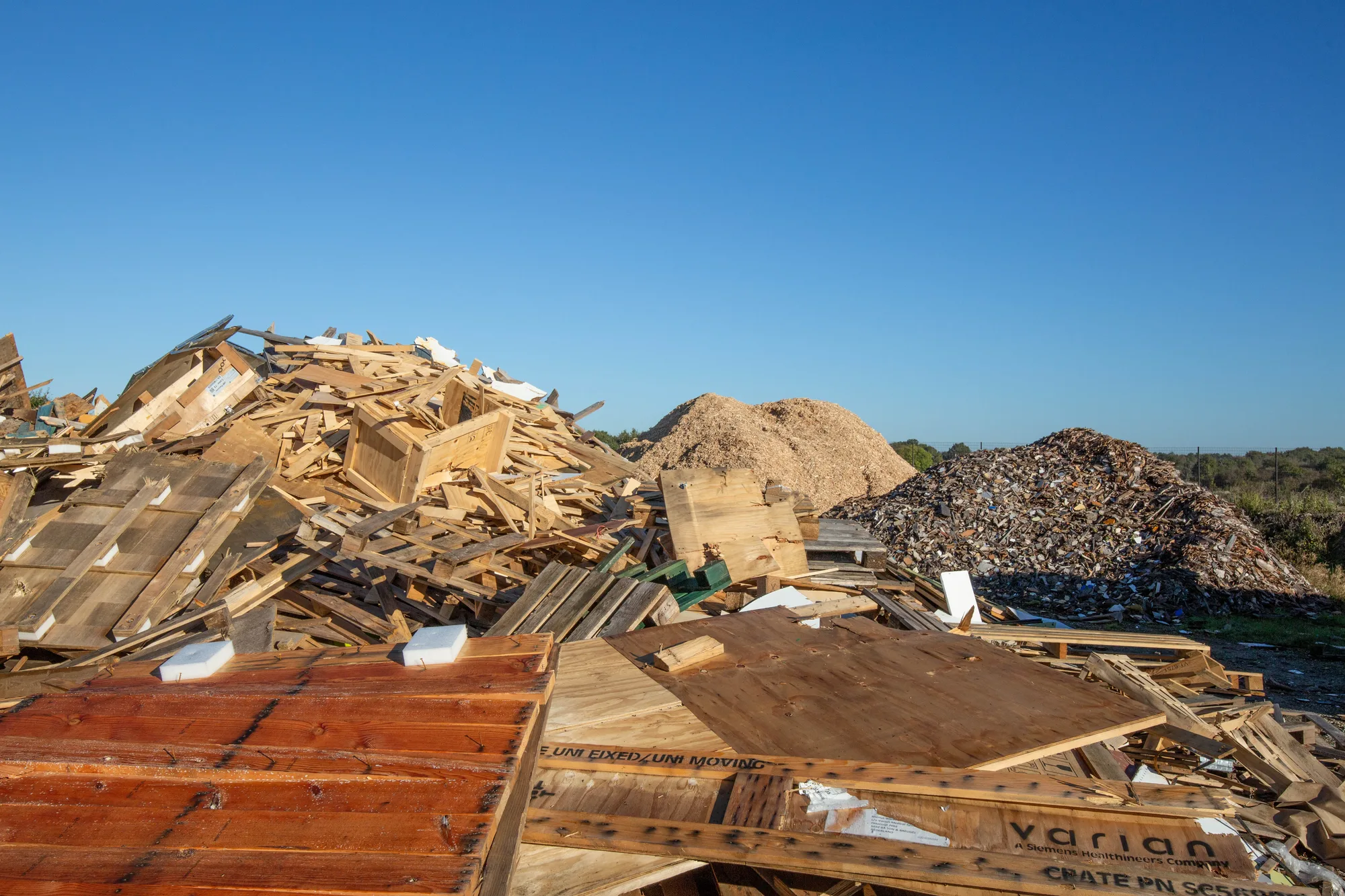
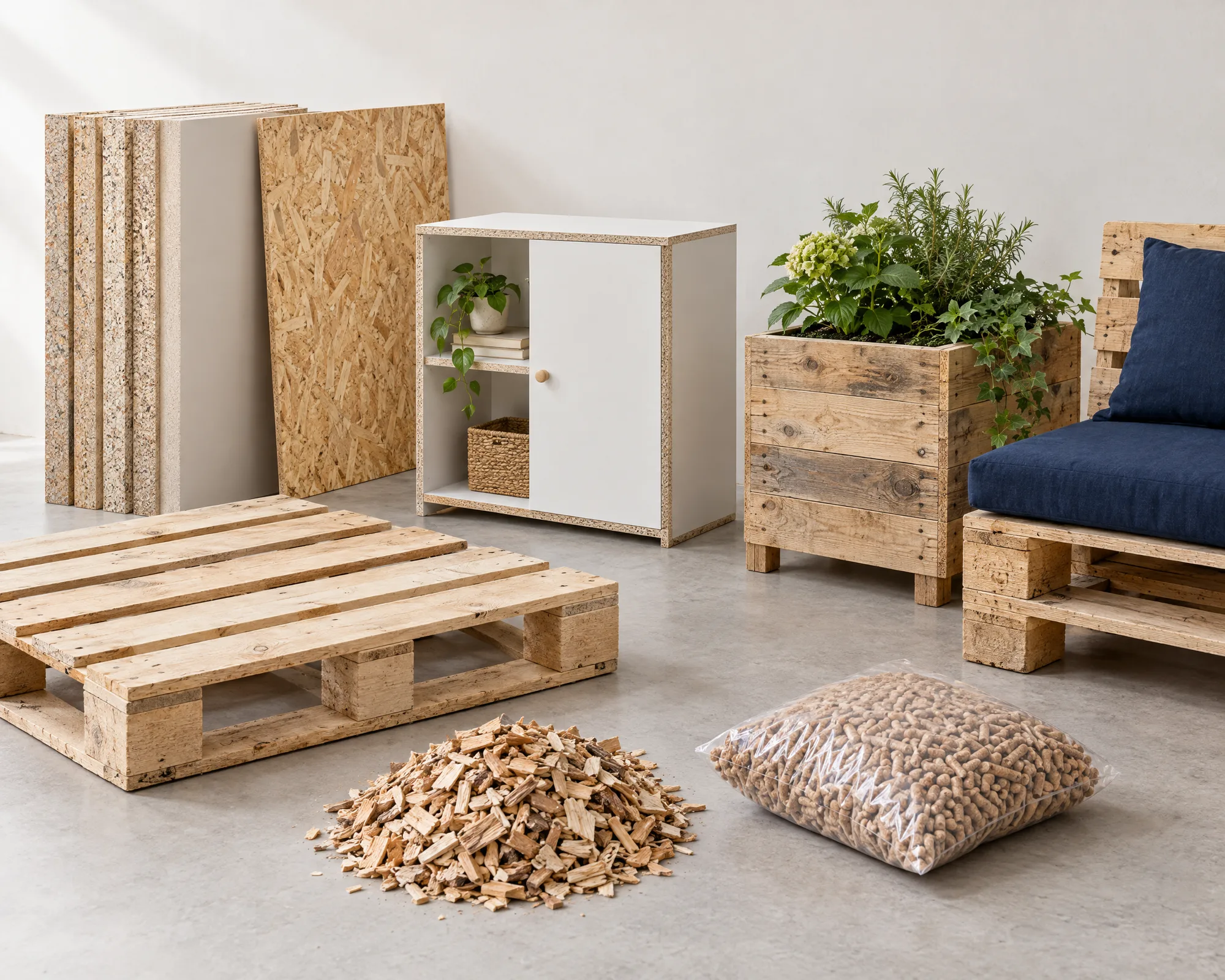
Some pallets, when their condition allows, can be repaired and reused. Much of the remaining wood waste is shredded into chips, stripped of its metals, then used as a raw material for making particleboard: the material stays in the economic cycle, and less new wood is harvested.
Where material recycling is not suitable but the wood’s characteristics allow it, some fractions are used to produce energy in authorised facilities. Finally, class C treated wood goes to a dedicated stream reserved for hazardous waste.
- Collection
- Sorting by class
- Metal removal
- Shredding
- Wood chips
- Panel or energy
The right outlet for every grade of wood
Recovering wood starts with a simple idea: not treating all wood as one and the same material. A raw wooden pallet, a chipboard panel and a treated construction component have neither the same characteristics nor the same possibilities.
It is the quality of sorting that allows each class to be sent to the most suitable solution, giving priority, whenever technically possible, to preserving the material. Metal Resource thus turns mixed wood waste into identified streams that can go on to different recovery routes.
Processing in line with current environmental standards
The Metal Resource site is a classified installation for environmental protection (ICPE), subject to the declaration regime. It is operated in compliance with the regulatory requirements applicable to its activities.

Recycling your wood waste
What wood waste does Metal Resource accept?
Pallets, crates, packaging, production offcuts, panels and construction timber, sorted according to their class and the treatments they have received.
What is the difference between class A, B and C wood?
Class A wood is raw and untreated (pallets, packaging). Class B wood has low levels of additives: panels, plywood, painted or varnished wood. Class C wood is treated with hazardous substances, such as sleepers or poles, and requires a dedicated stream.
Can a sleeper or a pole go in a wood skip?
No. This treated wood is hazardous waste: mixed with the rest, it downgrades the whole skip. It must be collected separately, with a waste tracking form.
Are businesses required to sort their wood?
Yes. Wood is one of the streams that professionals must sort at source, along with paper and cardboard, metal, plastic, glass, the mineral fraction and plaster.
What happens to recycled wood?
It is most often shredded into chips to make particleboard; where material recycling is not possible, it can be used to produce energy in authorised facilities.
Other materials
Do you have wood waste to recover?
Pallets, packaging, production offcuts, panels or site timber: Metal Resource helps you organise their collection, sorting and recovery.