
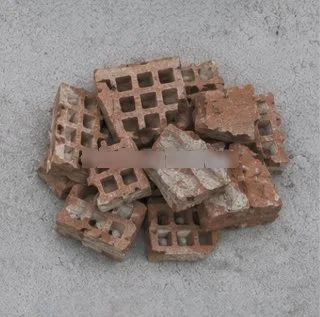
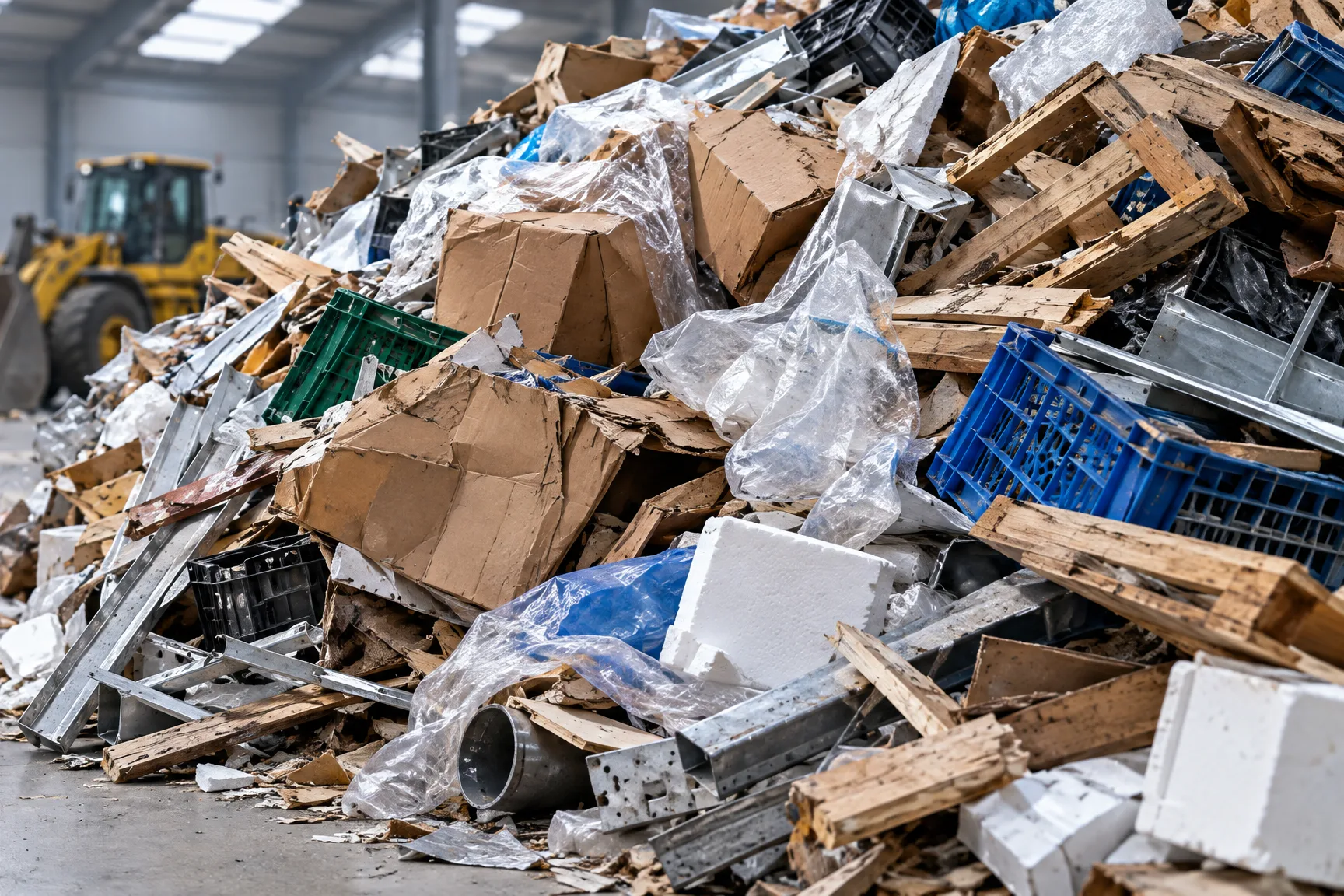
Cardboard, plastics, wood, metals, packaging and miscellaneous materials: every day, business activity generates non-hazardous waste of many different kinds, often mixed together. Long known as general industrial waste (DIB), it is now referred to as non-hazardous waste from economic activities.
Its value does not lie in the mix itself, but in the materials it contains. Metal Resource therefore collects and sorts this waste, then sends it to the right channels, with one aim: to extract from the stream as many materials as possible that can be given a second life.
This is where our metals expertise makes the difference: the ferrous and non-ferrous metals in a mixed load are identified, recovered and valued at their fair price.
Separate to recover more value
- 01
Collect
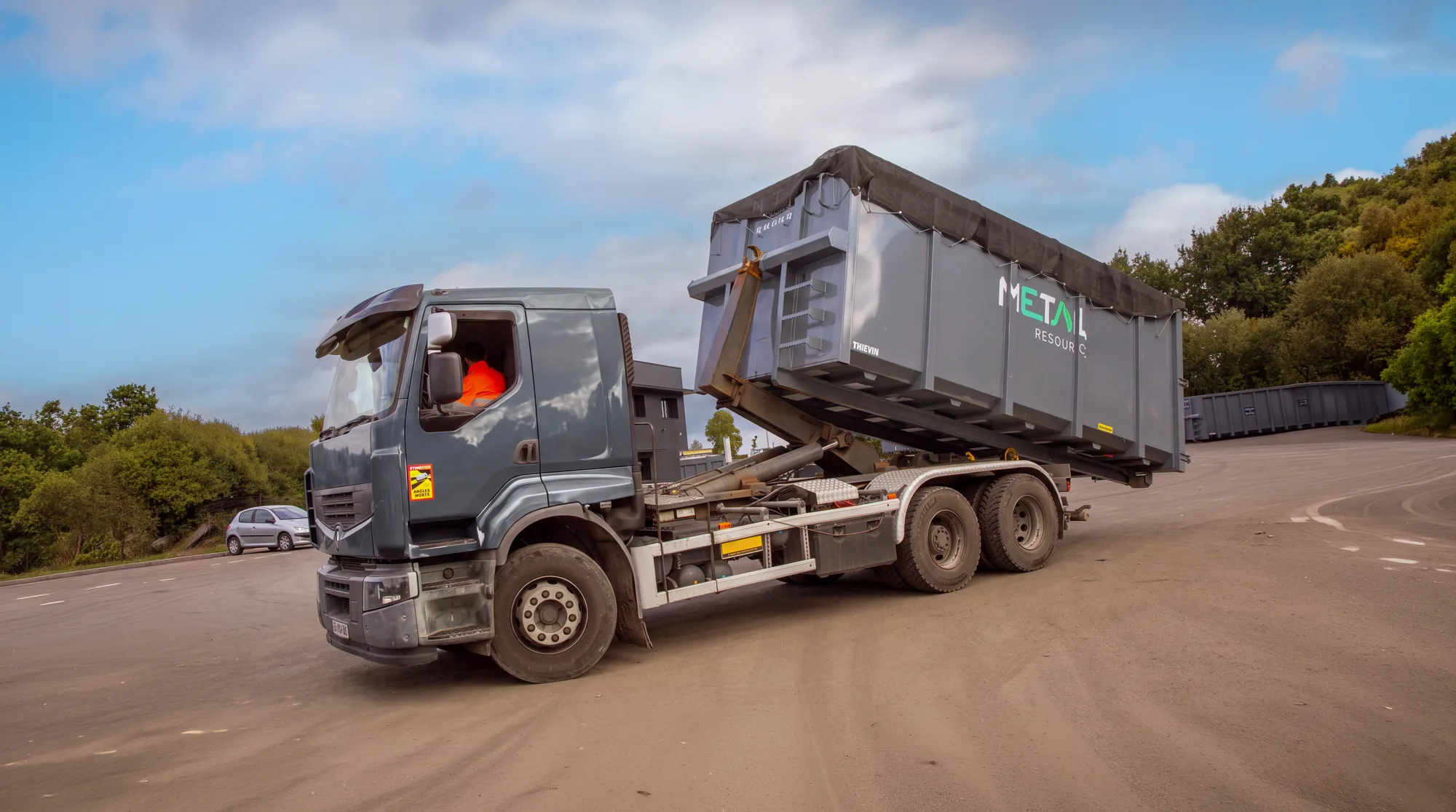
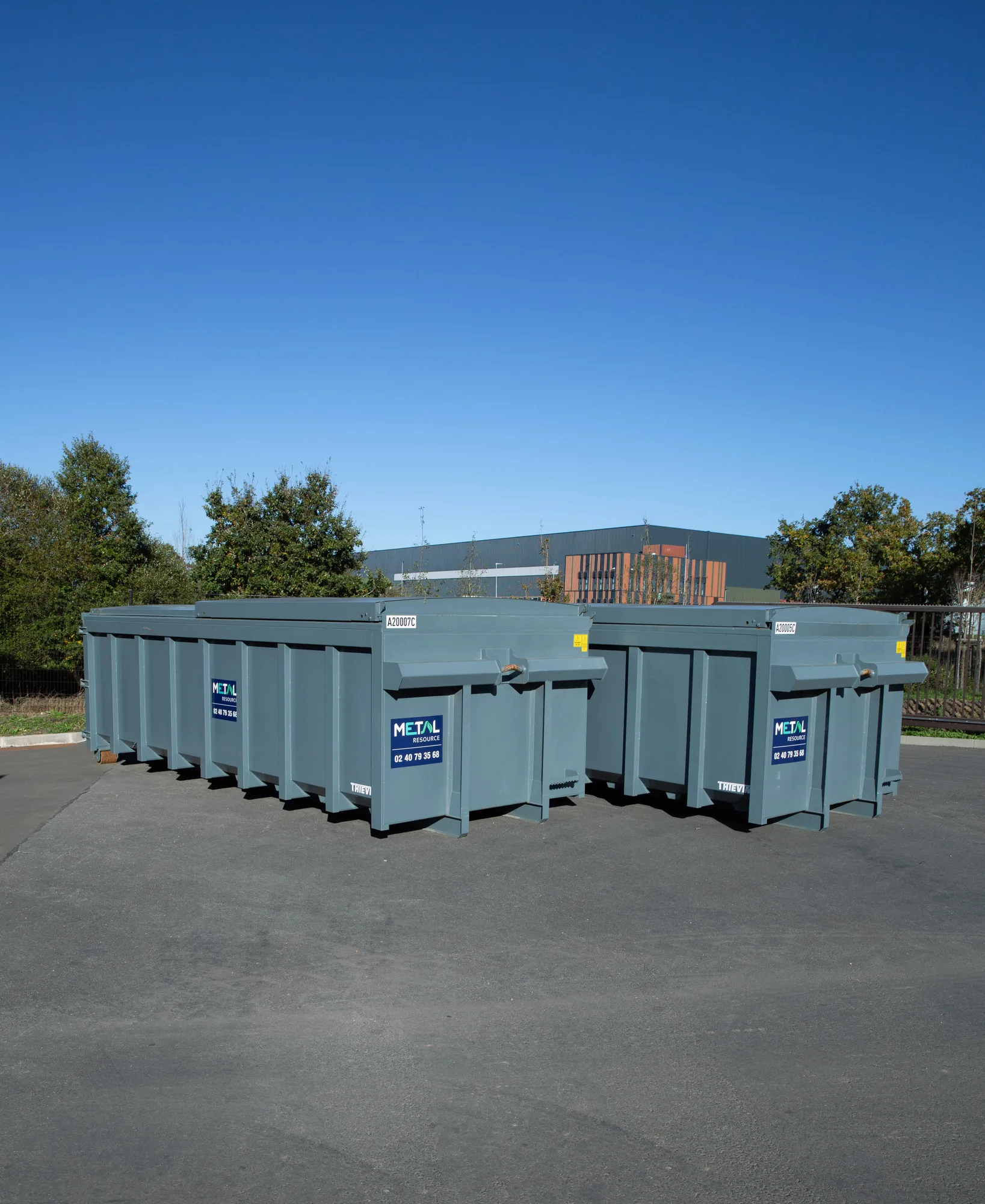
Waste is collected in 15 to 30 m³ hook-lift skips, standard or enclosed depending on its type, with scheduled, on-demand or emergency collection runs.
- 02
Check and identify
On arrival, the waste is weighed and checked to identify the materials it contains. Anything that does not belong in this stream is set aside and sent for appropriate treatment.
- 03
Sort
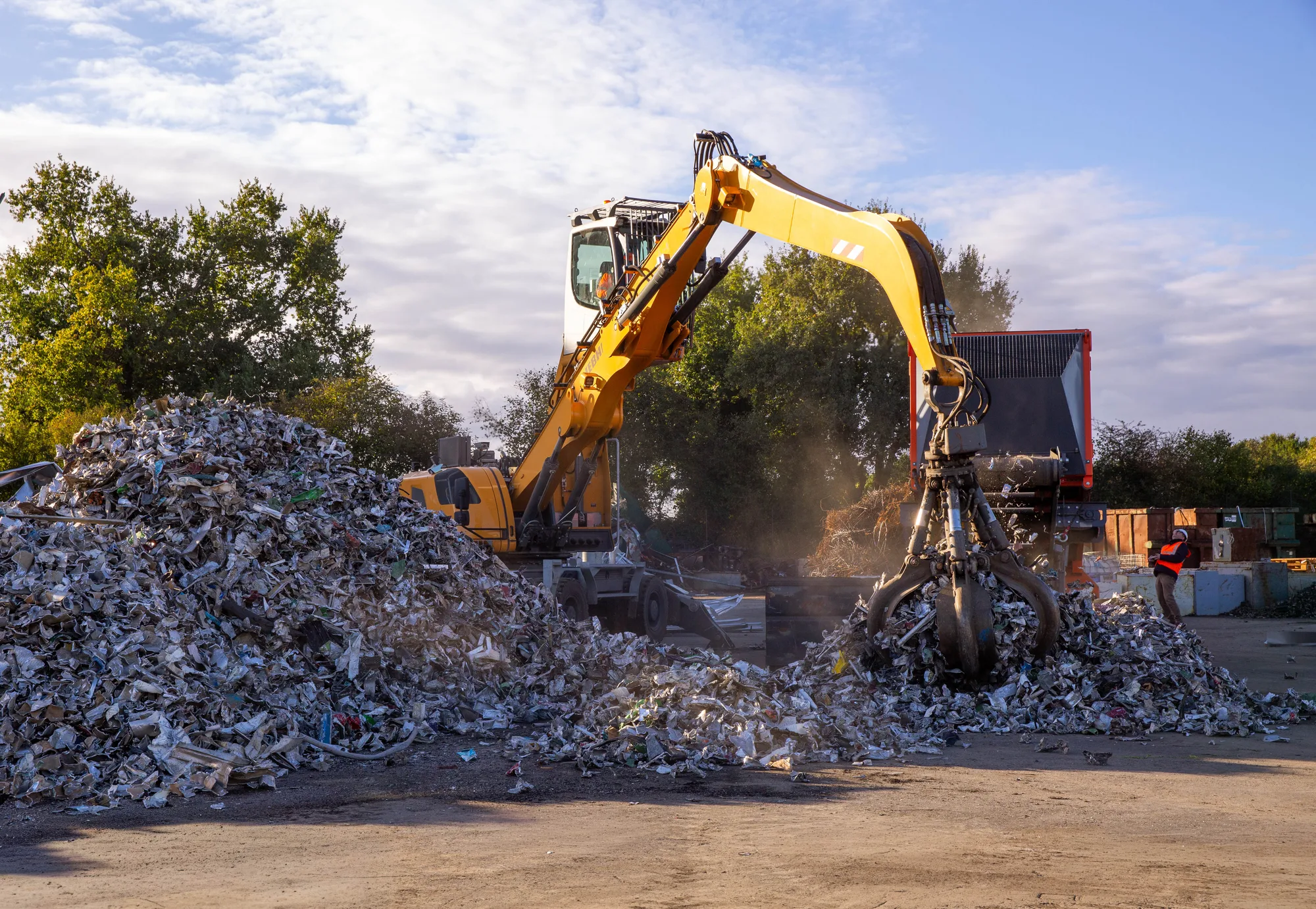
This is the key step: mixed waste is separated to extract the recoverable fractions, namely cardboard and paper, wood, ferrous and non-ferrous metals, and plastics.
- 04
Route each material
Each fraction goes to its own channel: paper mills, the metals industry, plastic or wood recycling. Where possible, sorting residues are sent for other forms of recovery.
Not one mix, but materials to extract
A general waste skip is not one single waste: it is a combination of materials, each with its own channel. Sorting means finding them one by one. The more that comes out, the less residue is left to dispose of, and the lower the overall cost of your waste.
| Fraction | Typical item | What you find in the skip | Technical notes | What it becomes |
|---|---|---|---|---|
| ✓Cardboard and paperThe most common fraction |  | Cardboard packaging, cases, paper, paperboard | Keep it dry: once wet or soiled, cardboard loses its value and is harder to recycle. | Paper mills: new cardboard and paper |
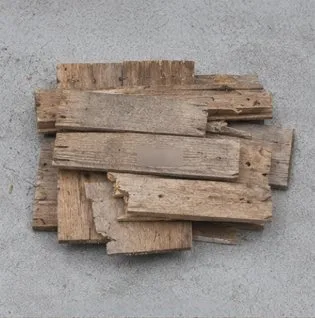
| ✓WoodClasses A and B |  | Pallets, crates, offcuts, panels | Kept separate from class C treated wood, which must never end up in a general waste skip. | Particleboard, wood fuel |
| ✓MetalsFerrous and non-ferrous |  | Scrap metal, sections, cables, small metal parts | Extracted with magnets and the material handler; it is the most valuable fraction, and our speciality. | Steelworks, foundries, refiners |
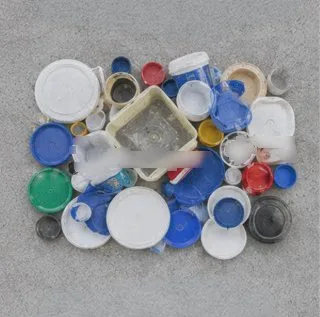
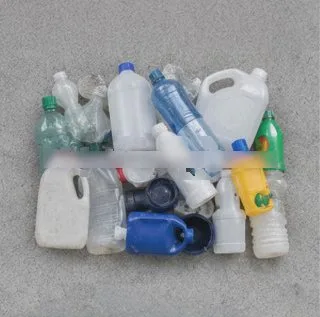
| ✓Rigid plasticsCrates, jerrycans, parts | 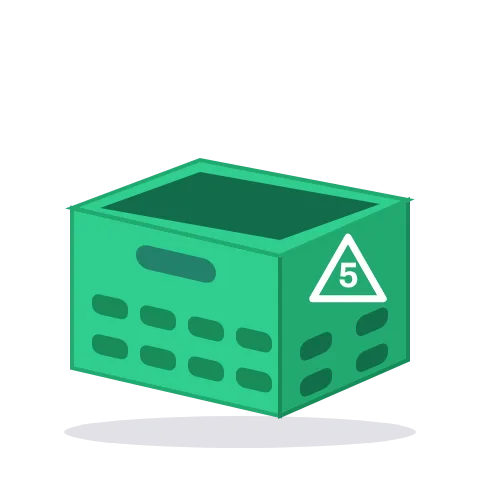 | Crates, jerrycans, drums, plastic part offcuts | Sorted by polymer where possible: HDPE, PP… | Recycled plastic pellets |
| ✓Plastic filmMostly LDPE | 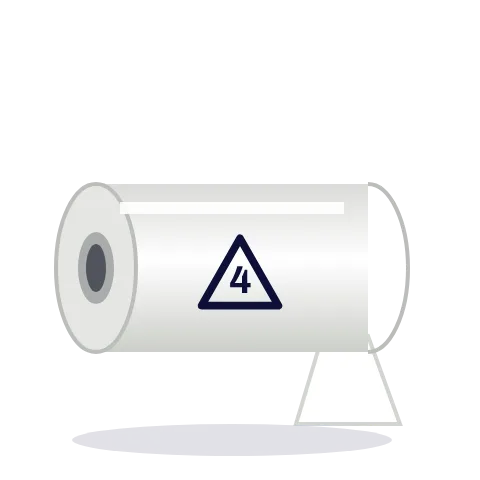 | Stretch film, pallet covers, bags | Recyclable if clean and dry; once soiled, it ends up with the residues. | New film and bags |
| ≈Sorting residuesWhat cannot be recycled | 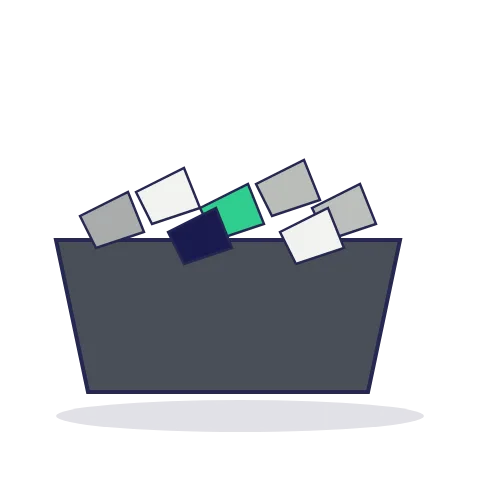 | Mixed, soiled or composite materials that cannot be separated | The share to reduce: it is the most expensive to treat. | Solid recovered fuel (SRF) or landfill |
| ✕Hazardous wasteKeep out of the skip | 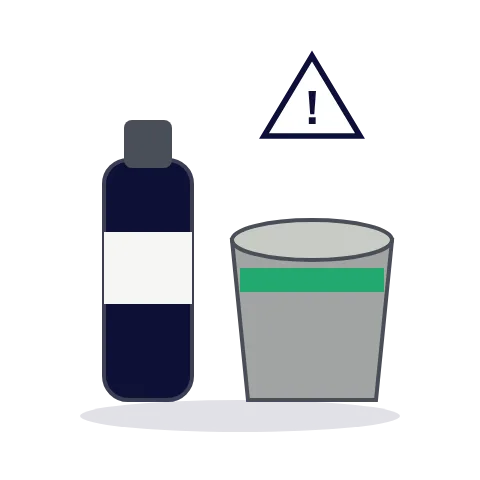 | Aerosols, paint tins, solvents, oils, batteries | Banned from general waste skips: they are set aside and go to a specialist channel, with a waste tracking form (BSD). | Hazardous waste channel |
DIB or DAE?
DIB, short for déchets industriels banals (general industrial waste), is the old name. Today the term is non-hazardous waste from economic activities (DAE). The principle is the same: this waste is not hazardous, but it is mixed.
Sorting at source pays
Regulations require seven streams to be separated at source: paper and cardboard, metal, plastic, glass, wood, mineral fraction and plaster. Each stream sorted on your premises costs less than a mix, and is easier to recover.
The metals in the mix
In a general waste skip, scrap metal and above all non-ferrous metals, such as copper from cables, often account for the highest value. Identifying them is our original trade.
Equipment to separate materials
- 26-tonne material handler, grab and magnetsIt moves and sorts the waste, and extracts the metal items.
- 340 hp shredderIt breaks down waste and separates ferrous metals from other materials.
- 15 to 30 m³ hook-lift skips, standard or enclosedThey are matched to the type of waste, the volumes and the space available.
Hook-lift skips · 15 to 30 m³
Standard or enclosed, depending on the type of waste.
What happens to general waste?
There is no single destination for general waste: the whole point is to separate the materials it is made of. After sorting, metals go to the metals industry, cardboard and paper to paper mills, some plastics are prepared to make new recycled materials, and wood is sent for recycling or energy recovery depending on its quality.
Fractions that cannot be recycled are sent to treatment solutions suited to their characteristics, with energy recovery preferred wherever possible.
- Mixed skip
- Weighing
- Inspection
- Sorting by material
- Metals · cardboard · wood · plastics
- Recycling channels
Drawing resources out of a waste stream
Mixed waste is expensive to treat; once sorted, it becomes several streams of identified materials, some of which have real value. That is the whole point of Metal Resource’s work: turning a mixed stream into resources that can serve industry again.
Sorting at source, on the customer’s premises, improves this result even further. That is why, as soon as collection is set up, we advise you on separating your streams so that you can reduce the share of unrecovered waste.
Processing in line with current environmental standards
The Metal Resource site is a classified installation for environmental protection (ICPE), subject to the declaration regime. It is operated in compliance with the regulatory requirements applicable to its activities.

Recovering your general waste
What is general industrial waste (DIB)?
General industrial waste, now known as non-hazardous waste from economic activities: cardboard, plastics, wood, metals and packaging, often mixed together.
How is general waste recovered?
It is sorted to extract the cardboard, wood, metals and plastics, which each go to their own recycling channel; only the residues are disposed of.
What should not go in a general waste skip?
Hazardous waste: aerosols, paints, solvents, oils, batteries. It must be collected separately and goes to a specialist channel.
Why sort at source rather than collect mixed waste?
Because a stream sorted on your premises costs less to treat and is easier to recover. Regulations also require seven streams to be sorted at source.
Which skip for general waste?
Metal Resource offers 15 to 30 m³ hook-lift skips, standard or enclosed depending on the type of waste.
Other materials
Do you produce mixed waste?
Metal Resource assesses the type and volume of your waste in order to offer you a suitable solution for its collection, sorting and recovery.